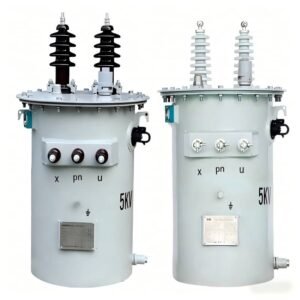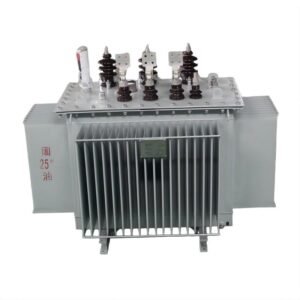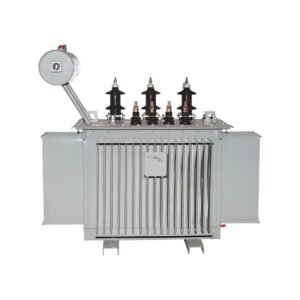
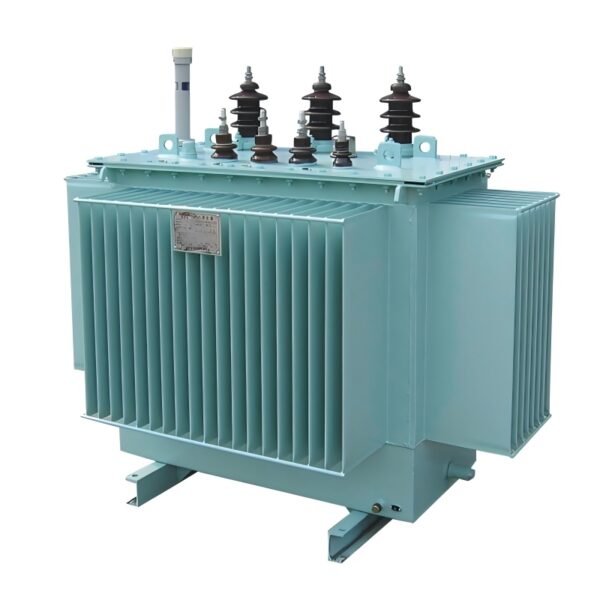
Several important temperatures of 33 0.415kv 3 phase 630kva oil transformer
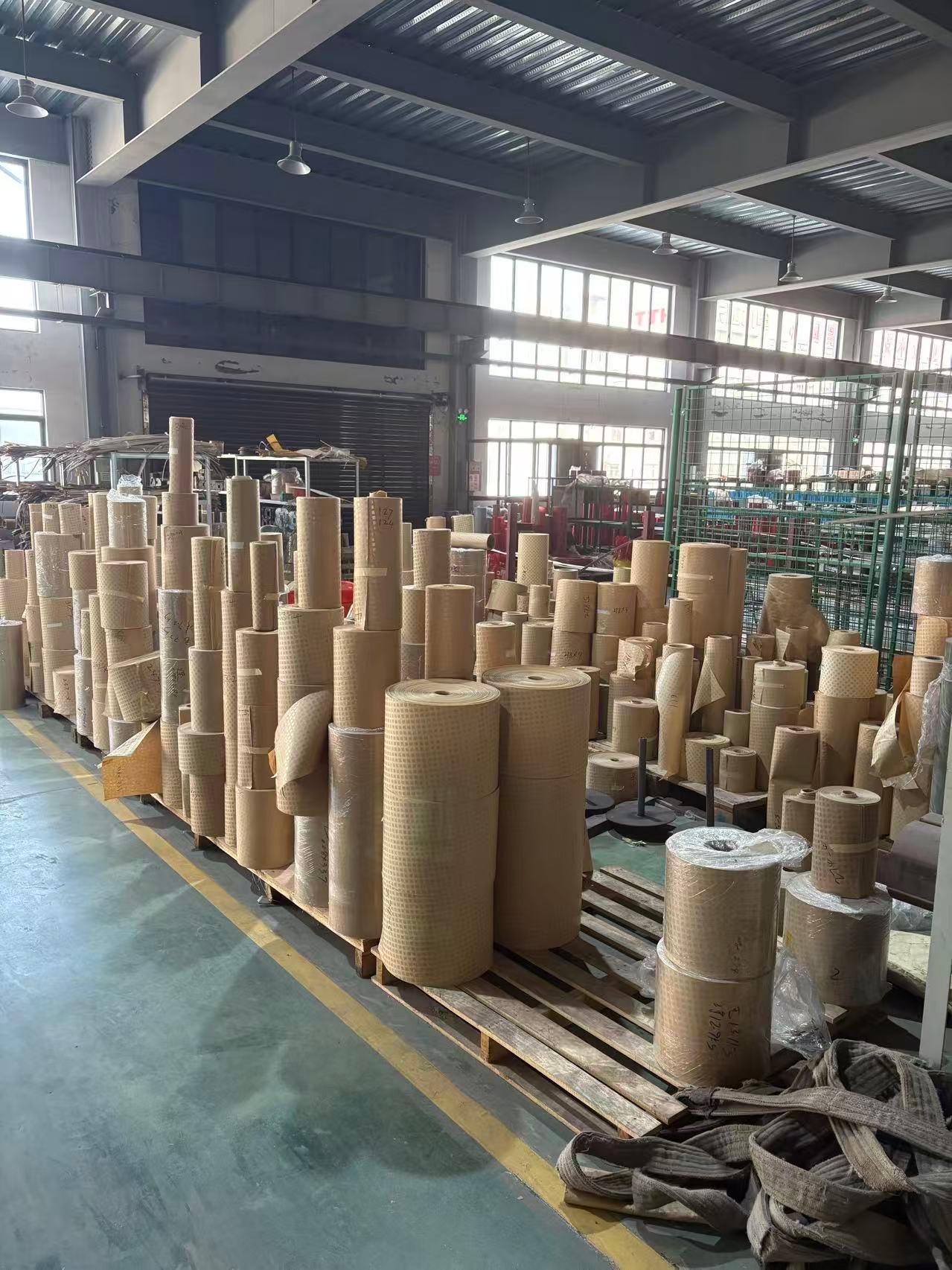
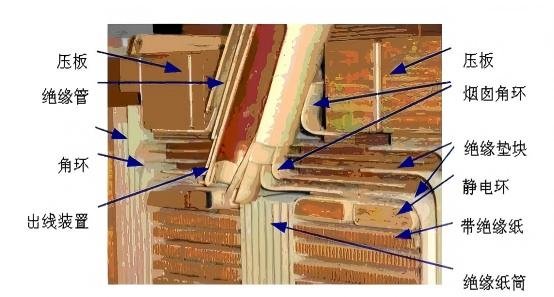
The insulation structure of 33 0.415kv 3 phase 630kva oil transformer is mainly oil-paper insulation, a composite structure of transformer oil and insulating paper. The paper insulation parts inside the transformer are shown in the figure below, with transformer oil filling all gaps.
For oil‑immersed transformers, temperature is a critically important operating control parameter. High temperature has a clear and significant accelerating effect on the aging of both transformer oil and insulating paper.
- The design of oil-immersed transformers refers to an environment of 20 degrees Celsius. When the external cooling air is 20 degrees Celsius, the transformer operates at rated current, and the insulation material of a certain temperature class is damaged due to thermal aging, the service life of the transformer is generally specified as 20 years. The insulation paper of the oil-immersed transformers we commonly see is Class A insulation. Definition of Class A insulation: According to IEC, when working continuously at 105 degrees Celsius for 7 years, the reduction in the mechanical strength of the insulation material is less than 50%; According to IEEE, when working continuously at 110 degrees Celsius for 65,000 hours, the reduction in the mechanical strength of the insulation material is less than 50%; Similar regulations are also found in “Classification of Thermal Endurance of Electrical Insulation” (GB/T 11021-2007), which designates the thermal endurance class as 105 degrees Celsius.
- For oil-immersed power transformers designed in accordance with GB1094, the relative thermal aging rate is 1 when the winding hot-spot temperature is 98 degrees Celsius. That is to say, when the hot-spot temperature is 98 degrees Celsius, the thermal aging of the transformer meets the requirements of the specified service life mentioned above. The temperature of 98 degrees Celsius is for non-thermally modified insulating paper; for thermally modified insulating paper, the temperature at which the relative thermal aging rate is 1 is 110 degrees Celsius.
- The six-degree rule. That is, for every six-degree decrease in the hot-spot temperature, the aging rate of the insulating paper is halved, and the corresponding insulation life of the transformer is doubled. Therefore, controlling the operating temperature of the transformer is of great significance.
- The hot-spot temperature of the transformer should preferably not exceed 140 degrees Celsius. Although under normal cyclic loading and long-term emergency loading conditions, the hot-spot temperature of the transformer is allowed to exceed 98 degrees Celsius, it is best not to exceed 140 degrees Celsius. Because when the temperature exceeds 140 degrees Celsius, the insulating paper may produce bubbles. The higher the water content in the insulating paper, the lower the temperature required for bubble formation. The generated bubbles may affect the insulation of the transformer and even cause accidents.
The limit value of the top oil temperature of the transformer is shown in the table below, which is from DL/T 572 “Transformer Operation Regulations”.
| Cooling Method | Maximum Temperature of Cooling Medium (°C) | Maximum Temperature of Cooling Medium (°C) |
| Natural Circulation Self-Cooled / Air-Cooled | 40 | 90 |
| Forced Oil Circulation Air-Cooled | 40 | 85 |
| Forced Oil Circulation Water-Cooled | 30 | 70 |
The design life of a transformer is based on the premise that the hot spot temperature (which can be approximately considered as the winding temperature) is 98 degrees Celsius. Considering the copper-oil temperature difference (the temperature difference between the transformer windings and the transformer oil), a limit for the top oil temperature has been established. It is believed that the top oil temperature can replace the winding hot spot temperature as an indicator parameter for monitoring the operating conditions of the transformer. For naturally cooled and forced air-cooled transformers, the top oil temperature generally does not exceed 95 degrees Celsius, while for forced oil-air cooled transformers, it generally does not exceed 85 degrees Celsius. The reason why the top oil temperature limit for forced oil-air cooled transformers is lower, in my understanding, is that the oil flow rate in forced oil-air cooled transformers is faster, resulting in a larger copper-oil temperature difference. Therefore, a lower limit for the top oil temperature is required to ensure that the winding hot spot temperature does not exceed the limit.
Although the “Transformer Operation Regulations” specify a top oil temperature limit of 95 degrees Celsius for naturally circulating transformers, they also stipulate that the top oil temperature should generally not exceed 85 degrees Celsius for a long time. The main reason, I think, is that the commonly used transformer oil is mineral oil, and when the temperature exceeds 85 degrees Celsius, its aging rate will accelerate significantly.
There’s a point I want to emphasize repeatedly. In fact, the top oil temperature is only a very indirect measure; the winding (hot spot) temperature is the real determining factor that limits the operation of a transformer. It is because of the belief that winding temperature measurement is inaccurate that operating specifications propose monitoring the top oil temperature. However, I believe that the top oil temperature is an indirectly descriptive quantity. Although we can measure it accurately, this value cannot truly and accurately describe the operating state of the transformer. A simple example: the time constant of transformer oil is measured in hours, while the time constant of the windings is about a few minutes. When the transformer load surges (short-term emergency load), the winding temperature rises rapidly, but the oil temperature increases slowly. In case of an actual fault, it cannot respond.
33 0.415kv 3 phase 630kva oil transformer Technical Parameters
| Rated capacity | 630kva |
| Primary voltage | 33KV/35KV/11KV/10KV/6.3KV/6KV(customizable) |
| Tap changer | ±2*2.5/±5 |
| Secondary voltage | 400V/415V/433V/380V(customizable) |
| Vector group | Dyn11/Yzn11/Yyn0 |
| Number of phase | Three phase |
| frequency | 50hz |
| Temperature rise | 65K |
| Short circuit impedance | 4.0% |
| No load loss | Different series(S10,S11,S13,S14),got different loss data |
| Load loss 75ºC | Different series(S10,S11,S13,S14),got different loss data |
| Cooling type | ONAN |
| Oil type | 25#/45# |
| standards | IEC 60076-1 |
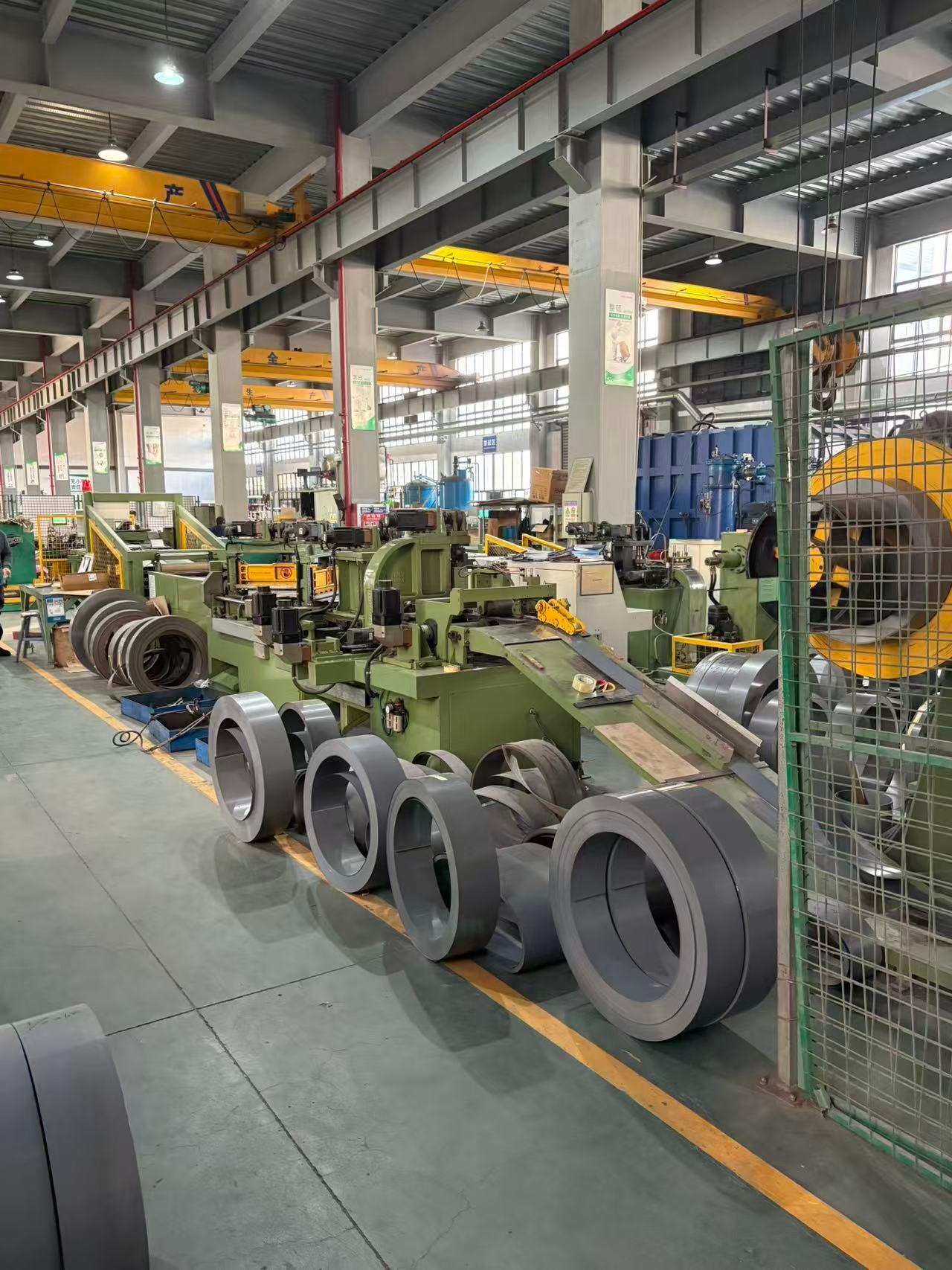
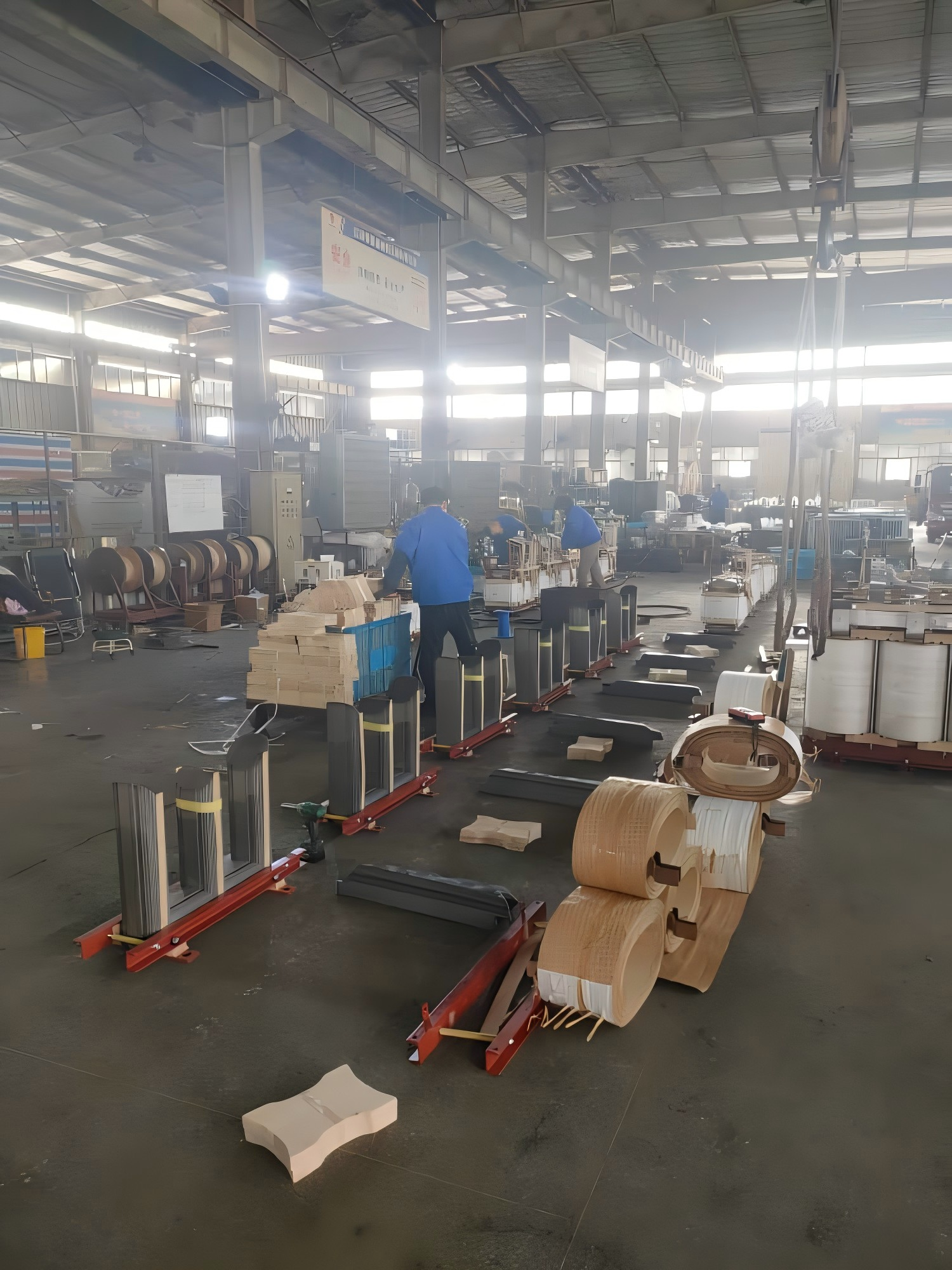
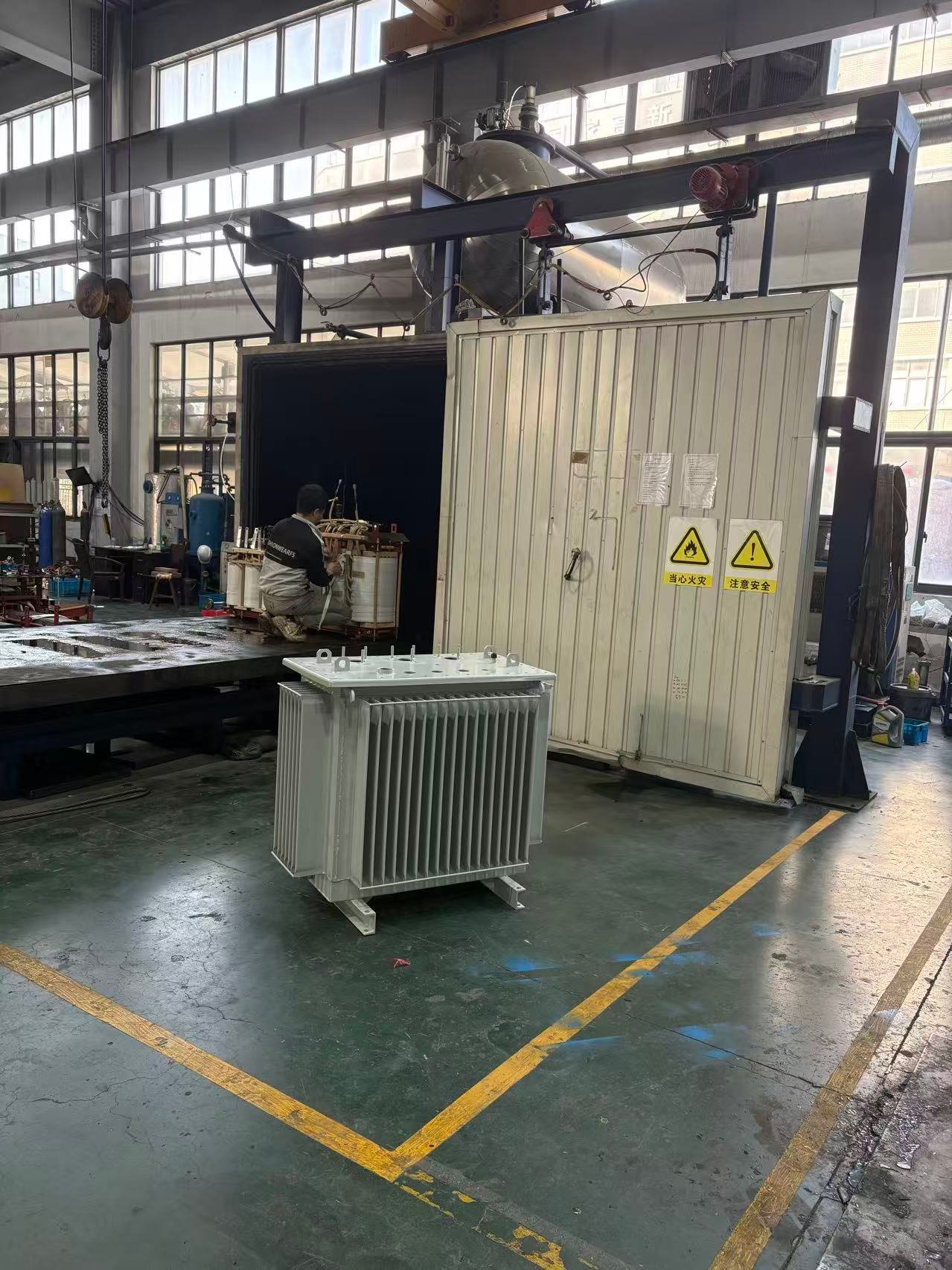
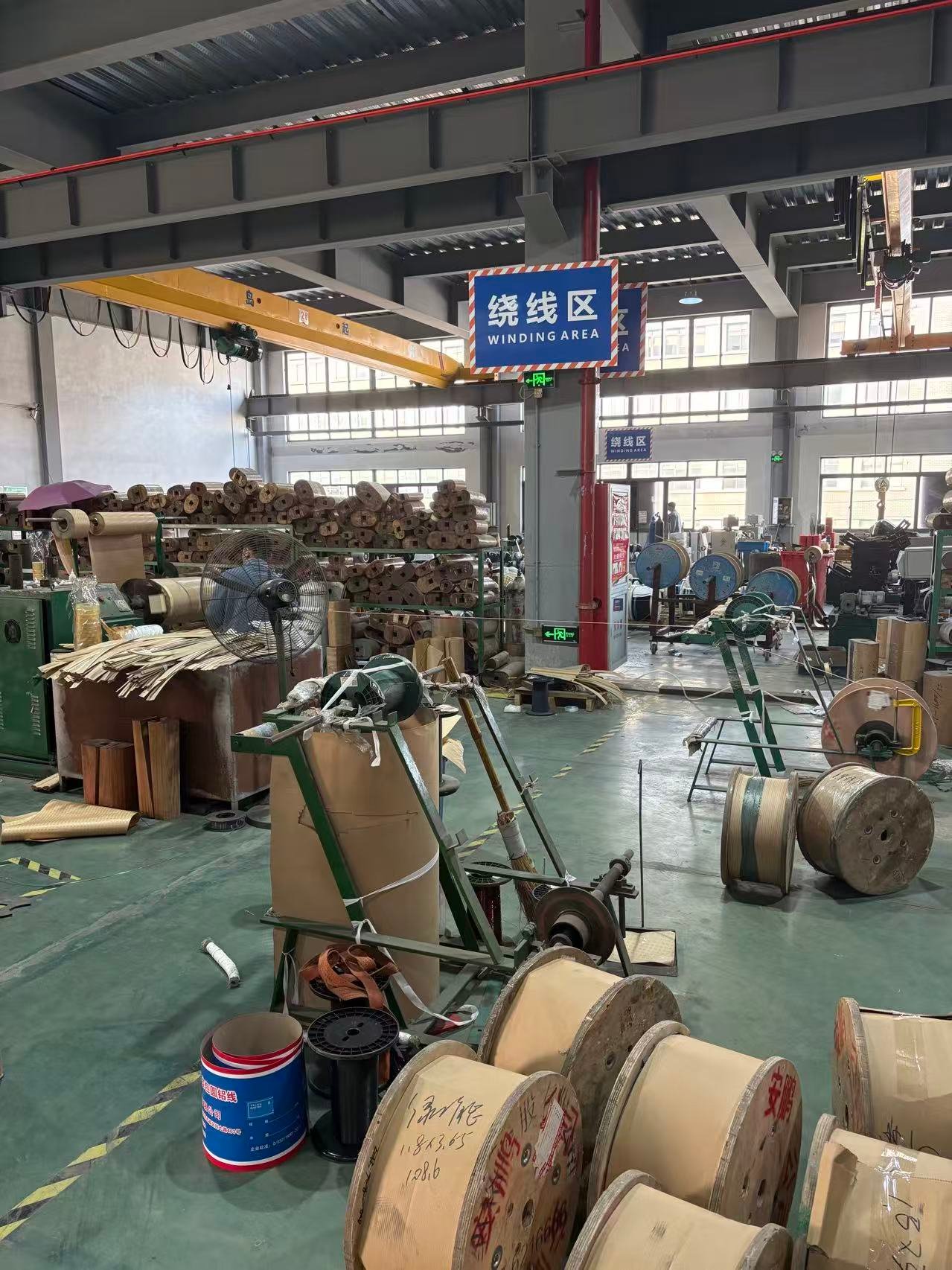
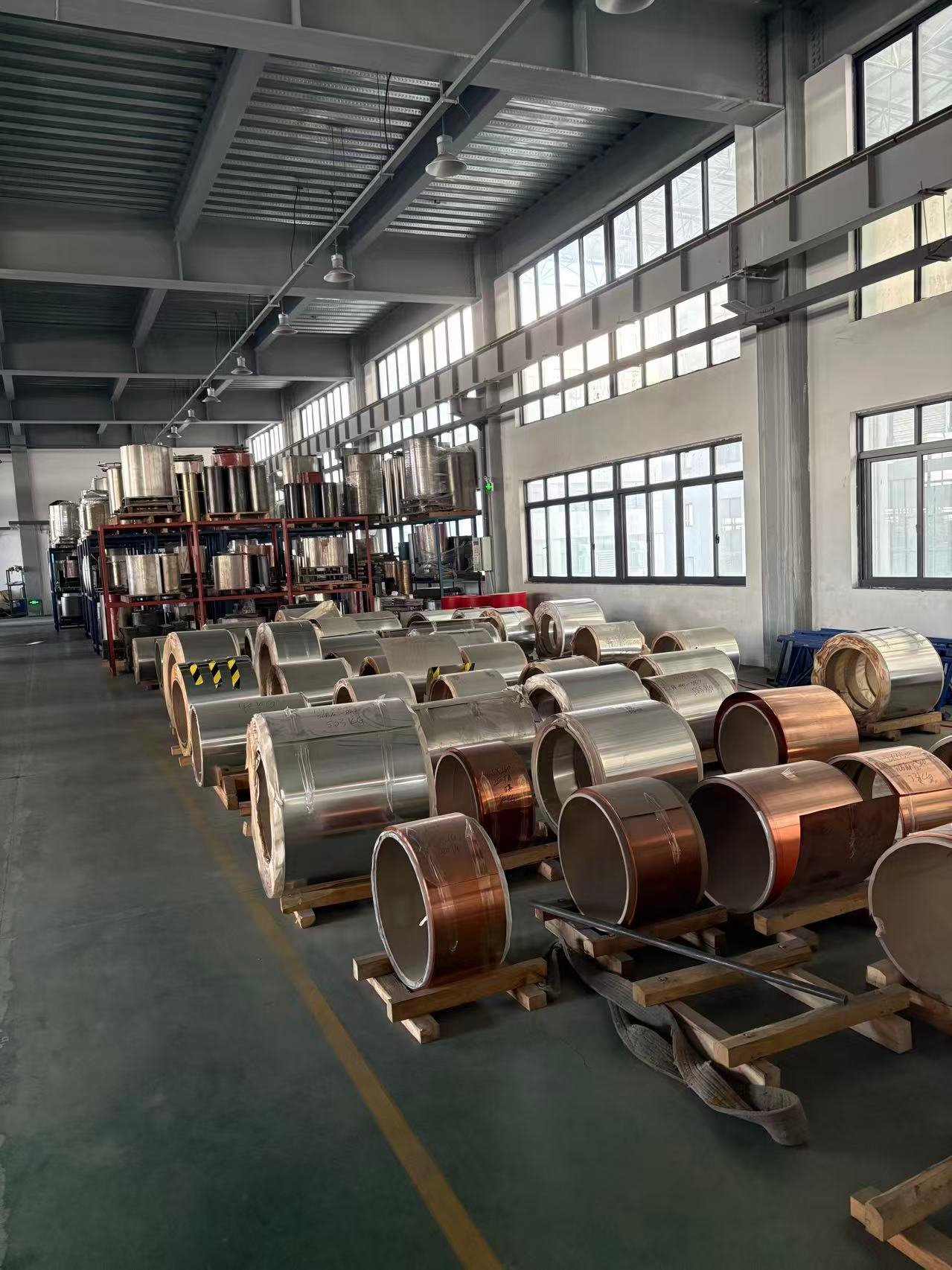
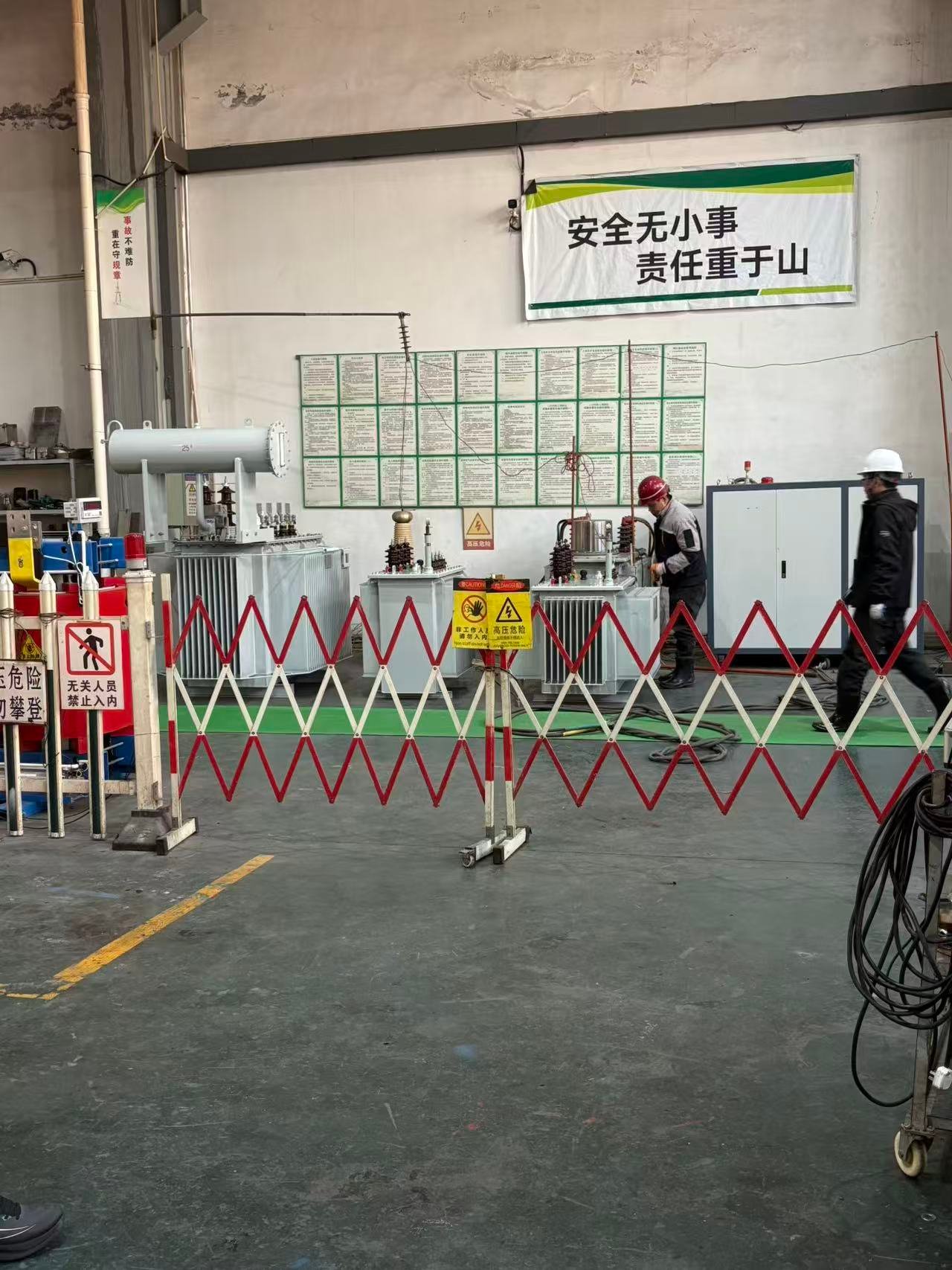
33 0.415kv 3 phase 630kva oil transformer Workshop