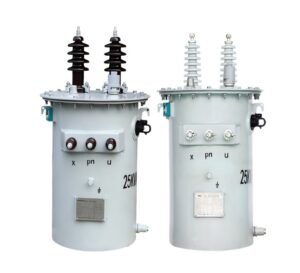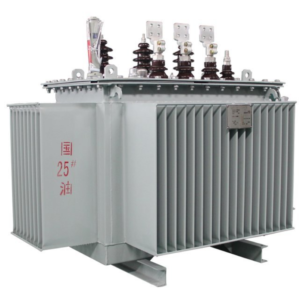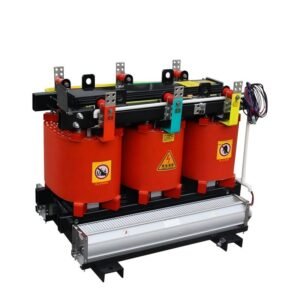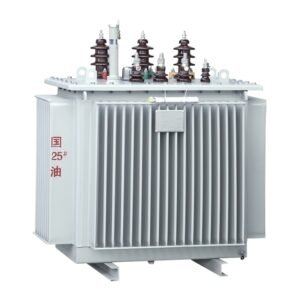
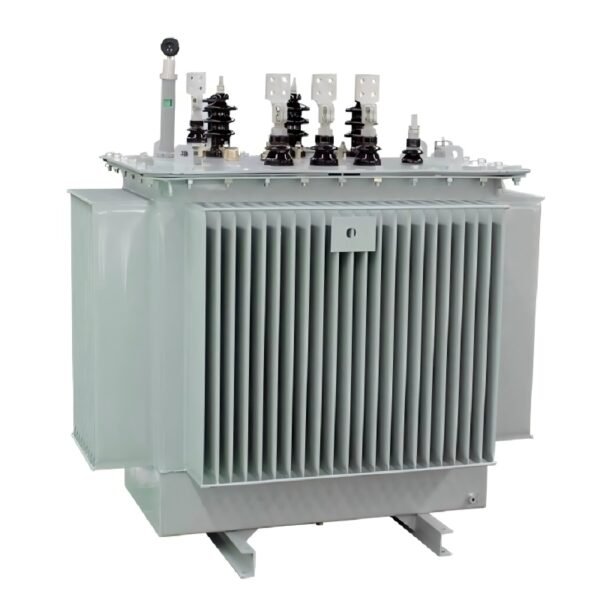
As a leading manufacturer of power distribution transformer, QIANLAI proudly present our 300kVA oil immersed transformer—a robust, energy-saving solution engineered for demanding industrial, commercial, and utility power distribution systems. This oil immersed transformer complies with global standards like IEC 60076, IEEE C57, and ANSI, delivering unrivaled reliability, low operational losses, and long service life, making it the preferred choice for grid upgrades, manufacturing plants, and critical infrastructure projects worldwide.
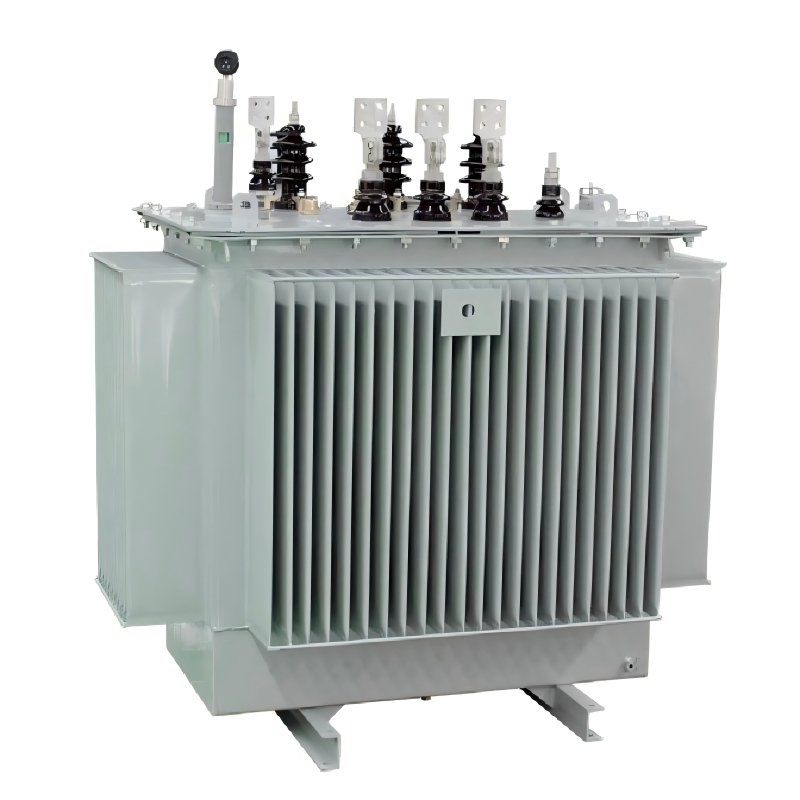 Main technical Parameter
| Rated capacity | 300 KVA |
| Primary voltage | 33KV/35KV/13.2KV/11KV/10KV/6.3KV/6KV(customizable) |
| Tap changer | ±2*2.5/±5 |
| Secondary voltage | 400V/415V/433V/380V(customizable) |
| Vector group | Dyn11/Yzn11/Yyn0 |
| Number of phase | Three phase |
| frequency | 50hz |
| Temperature rise | 65K |
| Short circuit impedance | 4.0% |
| No load loss | Different series(S10,S11,S13,S14),got different loss data |
| Load loss 75ºC | Different series(S10,S11,S13,S14),got different loss data |
| Cooling type | ONAN |
| Oil type | 25#/45# |
| standards | IEC 60076-1 |
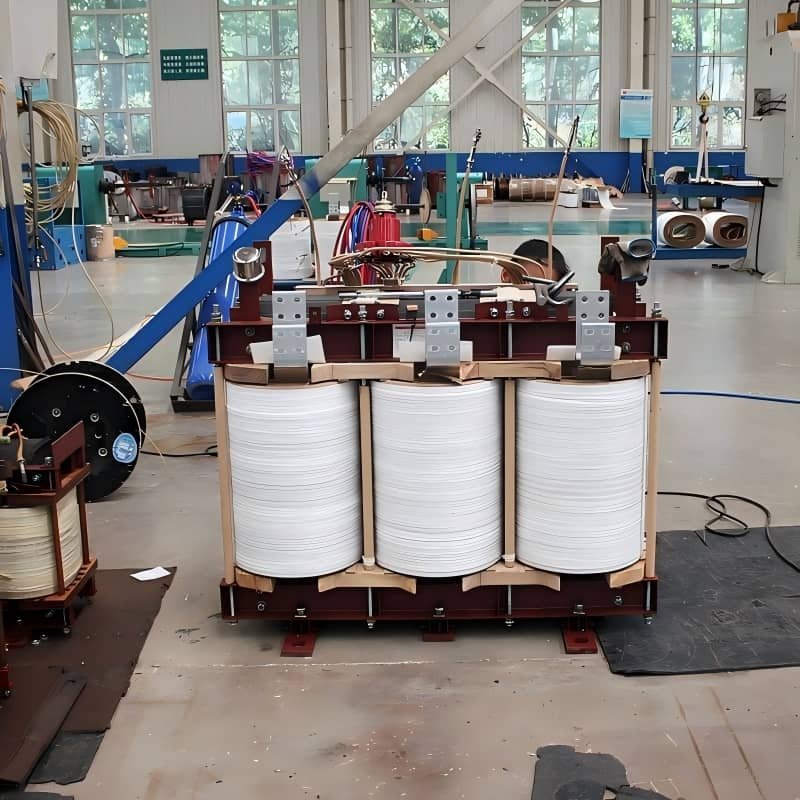
Simplified Production Process for 2500kVA Transformer
The production of 2500kVA transformer revolves around four core stages: core processing, winding fabrication, core assembly, and final assembly & testing. The production processes for copper and aluminum windings only differ in winding process parameters (such as conductor cross-sectional area and tension control), while the overall workflow is universal. The simplified steps are as follows:
Raw Material Procurement and Quality Inspection
Core materials:Silicon steel sheets (for core), copper/aluminum conductors (for windings), insulating cardboard/insulating oil, oil tank steel plates, HV/LV bushings, tap changers, etc.
Key inspection items:Conductivity and cross-sectional dimensions of conductors; lamination factor of silicon steel sheets; voltage withstand level of insulating materials, ensuring compliance with national or international standards (e.g., IEC 60076).
Core Processing and Forming
- Shearing and Punching:CNC shearing machines cut silicon steel sheets into core cakes, core columns, and yoke plates of specified sizes.
- Lamination and Binding:Adopt the staggered lamination process (to reduce magnetic resistance and no-load loss) to stack the core, then fasten it with fiberglass tape or steel tape to ensure core compactness. Finally, perform core grounding treatment to prevent eddy current loss during operation.
Winding Fabrication (Core Differentiation Stage for Copper/Aluminum Windings)
- Pre-winding Preparation:According to winding drawings, determine conductor specifications (copper windings have smaller cross-sections; aluminum windings require 1.5 times larger cross-sections), and prepare insulation spacers and interlayer insulation paper.
- Winding Operation:On CNC winding machines, wind the conductor onto the winding former according to the specified number of turns and winding direction, lay interlayer insulation synchronously, and control winding tension (higher tension can be applied to copper conductors; lower tension is required for aluminum conductors to prevent tensile deformation).
- Winding Shaping and Curing:After winding, shape the windings to meet assembly dimensional requirements; adopt vacuum pressure impregnation (VPI) technology (to enhance insulation performance and mechanical strength), followed by drying and curing.
Core Assembly
- Winding Stacking:Sleeve the HV and LV windings onto the core columns in sequence, install interphase insulation and support strips to ensure uniform spacing between windings.
- Lead Connection:Weld the HV/LV winding leads. Copper windings can be directly welded, while aluminum windings must be welded with copper-aluminum transition terminals to avoid excessive contact resistance. Install the tap changer and adjust tap positions.
- Core Fastening:Assemble clamps and tie rods, tighten all bolts to ensure overall core rigidity and improve short-circuit resistance.
Final Assembly Process
- Core Lowering into Tank:Hoist the assembled core into the oil tank, fix core positioning parts to prevent displacement during transportation.
- Accessory Installation:Install HV/LV bushings, conservator tanks, Buchholz relays, thermometers, breathers and other accessories; connect bushings to winding leads.
- Oil Filling and Standing:Evacuate the tank, fill it with qualified transformer oil, and let it stand for 24–48 hours to discharge air bubbles inside the core.
Factory Testing (Key Acceptance Stage)
Routine tests
- Insulation resistance test
- DC resistance test
- Turns ratio and vector group test
- Short-circuit impedance test
- No-load and load loss test
- Voltage withstand test
Special tests (as required)
- Lightning impulse test
- Partial discharge test (for high-demand projects)
Appearance and marking
- Inspect tank tightness and surface coating quality
- Attach nameplates (indicating capacity, voltage class, winding material, etc.)