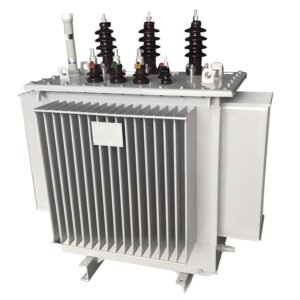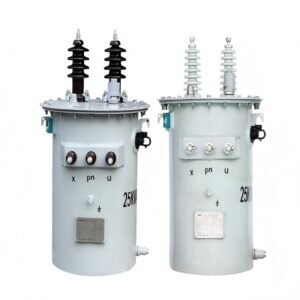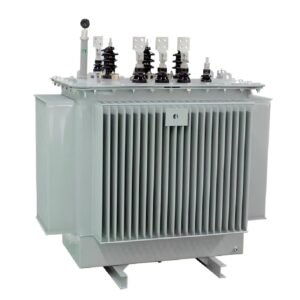
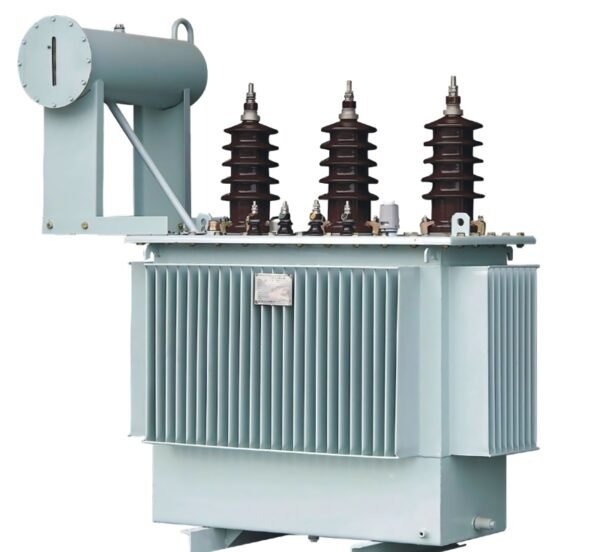
2500kva oil transformer

2500kva three phase Oil immersed transformer/QIANLAI ELECTRIC


2500kva oil fulled transformer overview

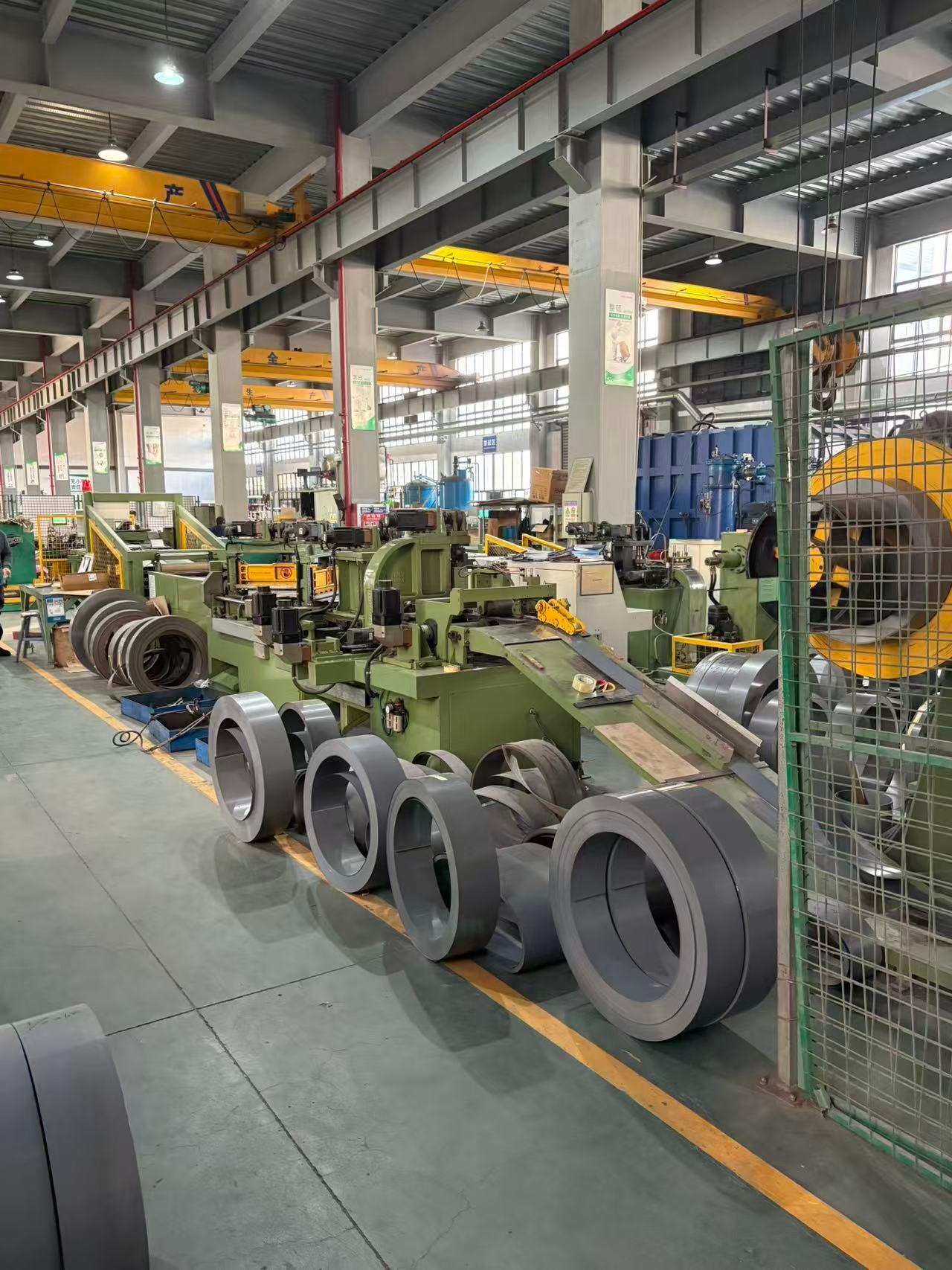
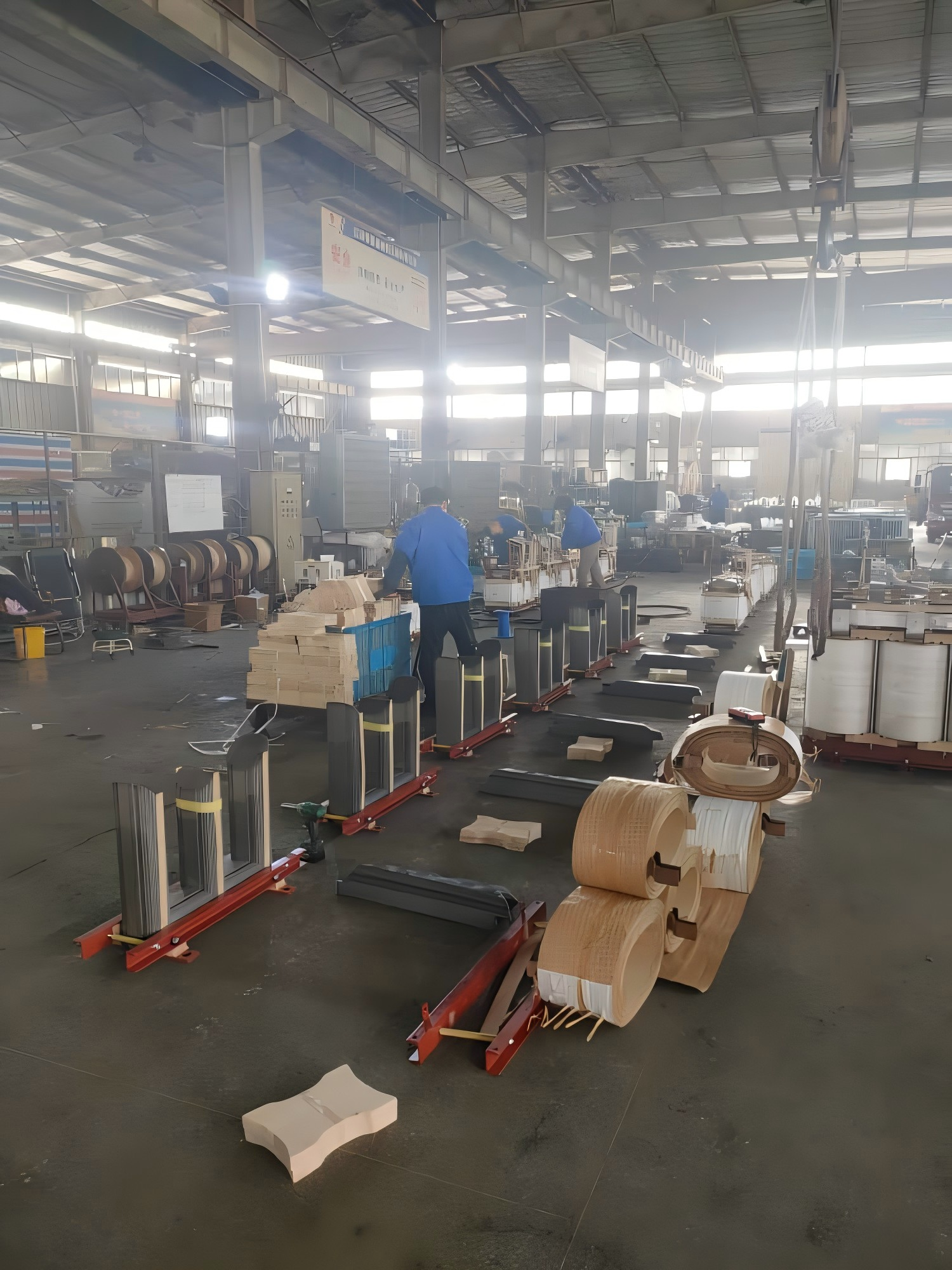
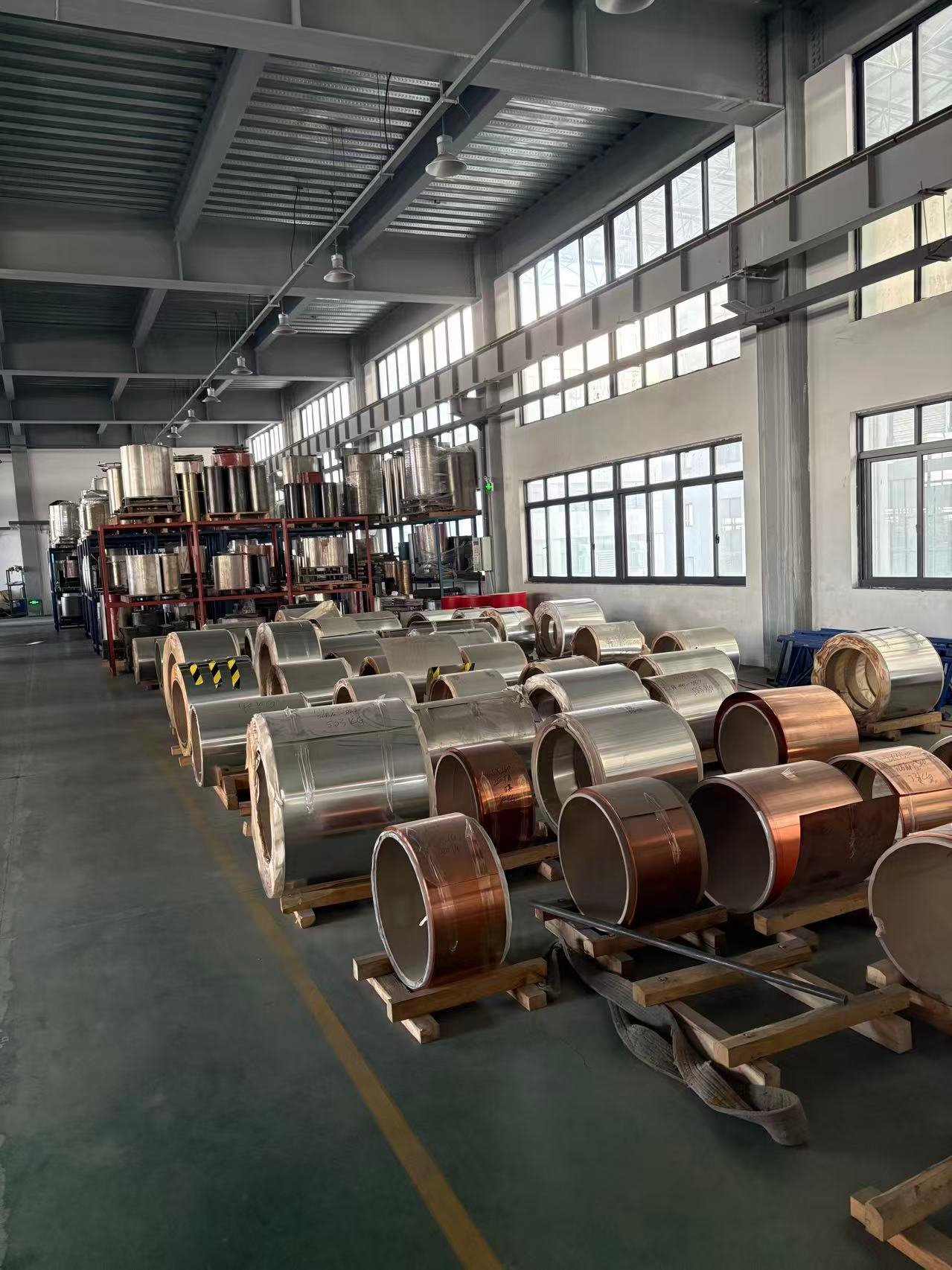
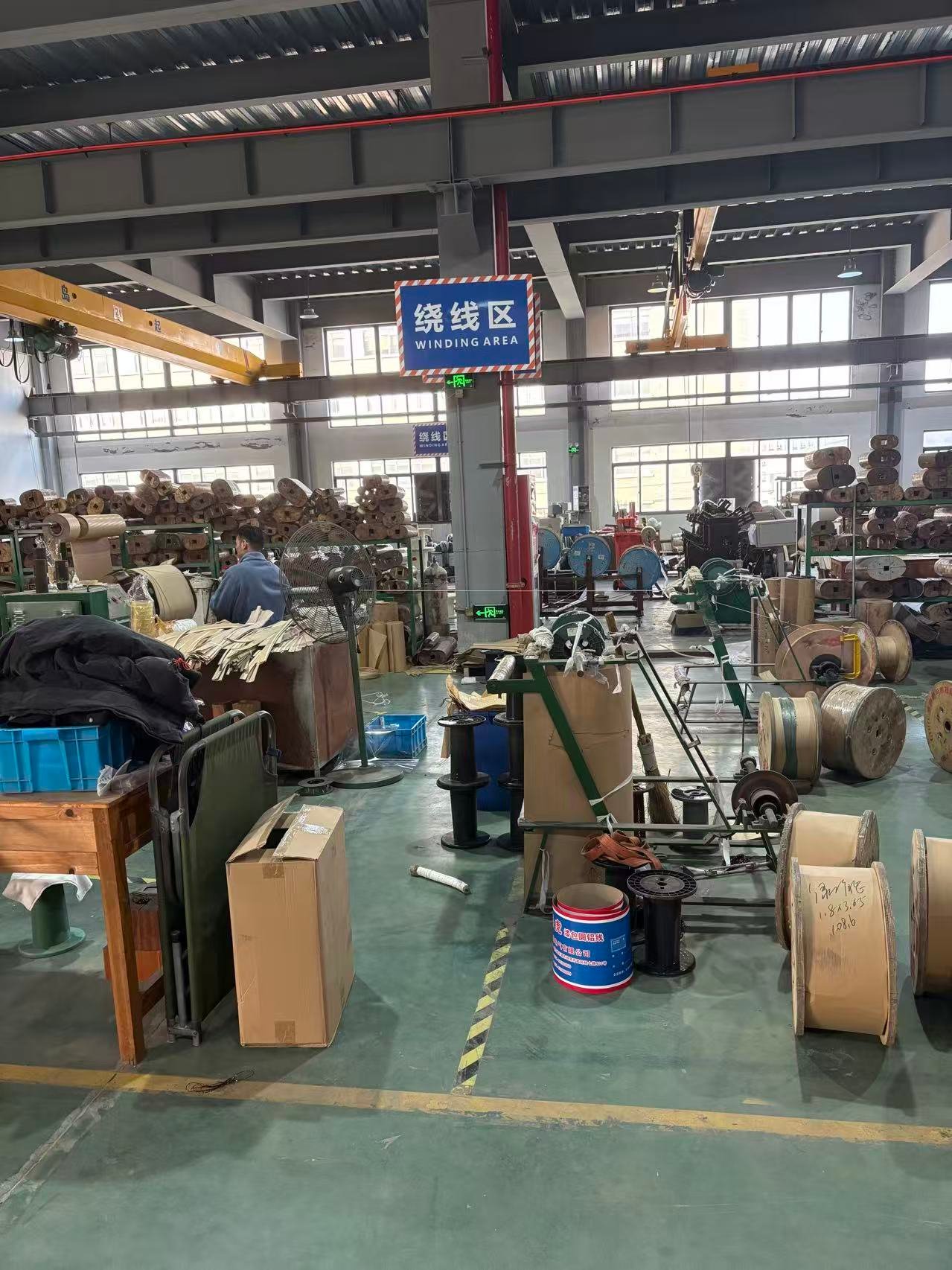
As the founder of Qianlai Electric, I’m proud to present our flagship 2500 kVA Oil Immersed Transformer—engineered for stability, efficiency, and durability in the most demanding power scenarios. With over 10 years of experience in transformer manufacturing, we blend precision craftsmanship with advanced technology to deliver products that exceed international standards. Whether for industrial plants, power substations, or large-scale infrastructure projects, this transformer is designed to be the backbone of your power system.


Our 2500 kVA Oil Immersed Transformer adopts a sealed structure that isolates transformer oil from external air, ensuring safe and reliable operation with minimal maintenance. It integrates premium materials, optimized cooling systems, and robust winding designs to achieve low loss, low noise, and strong short-circuit withstand capability—all critical for reducing operational costs and maximizing uptime.

S11 series 10KV double winding transformer main technical Parameter


modelRated

capacity

Vector

group

voltageNo load lossLoad

Loss(W)

No load current(%)Short

circuit   

impedance(%)

HVTapping rangeLV
S11-M-3030Yyn0

or

Dyn11

6

6.3

10

10.5

11

±2*2.5%

or

±

5%

0.4100630/6001.54.0
S11-M-5050130910/8701.34.0
S11-M-63631501090/10401.24.0
S11-M-80801801310/12501.24.0
S11-M-1001002001580/15001.14.0
S11-M-1251252401890/18001.14.0
S11-M-1601602802310/22001.04.0
S11-M-2002003402730/26001.04.0
S11-M-2502504003200/30500.94.0
S11-M-3153154803830/36500.94.0
S11-M-4004005704520/43000.84.0
S11-M-5005006805410/51000.84.0
S11-M-63063081062000.64.5
S11-M-80080098075000.64.5
S11-M-100010001150103000.64.5
S11-M-125012501360120000.54.5
S11-M-160016001640145000.54.5
S11-M-200020001940183000.45.0
S11-M-250025002290212000.45.0


Common Faults and Analysis of 2500 kva Oil-immersed Transformer


The common faults occurring during transformer operation include faults of windings, bushings, tap changers, iron cores, oil tanks and other accessories.

  1. Winding Faults

Main types include inter-turn short circuit, winding grounding, phase-to-phase short circuit, wire breakage and joint open welding, etc.

  • Inter-turn Short CircuitIt refers to a short-circuit fault caused by insulation damage of the winding conductor itself.Phenomena: When an inter-turn short circuit occurs, the transformer overheats with increased oil temperature, and the current on the power supply side increases slightly. Sometimes, there will be squeaking and gurgling bubbling sounds in the oil; in severe cases, oil spurts from the conservator.Causes: Long-term overload operation of the transformer leads to damage of the inter-turn insulation.
  • Winding GroundingIt means a short circuit between the winding and the grounded part.For oil-immersed test transformers, winding grounding will deteriorate the transformer oil quality; prolonged grounding will cause insulation aging and damage of the grounded-phase winding.Causes: Lightning atmospheric overvoltage and switching overvoltage impact the winding with short-circuit current, resulting in winding deformation, main insulation damage and fracture; reduced insulation strength of transformer oil due to moisture ingress.


  • Phase-to-phase Short CircuitIt is a short circuit caused by breakdown of the insulation between winding phases.Phenomena: When a phase-to-phase short circuit occurs, the transformer oil temperature rises sharply, oil spurts from the conservator, and the circuit breakers on the three sides of the main transformer trip.Causes: It is caused by aging and reduction of the transformer’s main insulation, low breakdown voltage of transformer oil, or expansion of other faults such as winding inter-turn short circuit and grounding fault. Arc and splashing molten copper (aluminum) particles spread the accident and develop into phase-to-phase short circuit.Handling Measures: When a phase-to-phase short circuit occurs, immediately report to the on-duty dispatcher and superior leaders, and invite the maintenance department to identify the fault cause and carry out treatment in a timely manner to restore transformer operation as soon as possible.


  • Winding and Lead Wire BreakageWhen winding or lead wire breakage occurs, electric arc is often generated, causing decomposition and gasification of transformer oil, and sometimes leading to phase-to-phase short circuit.Causes: Mostly due to poor internal welding of conductors, fusing caused by overheating, burnout caused by inter-turn short circuit, or winding fracture caused by short-circuit stress.


  1. Bushing Faults

Contamination accumulation on transformer bushings may cause pollution flashover in heavy fog or light rain, leading to single-phase grounding or phase-to-phase short circuit on the high-voltage side of the oil-immersed test transformer.


  1. Severe Oil Leakage

During operation, if the transformer has severe oil leakage or continuous oil overflow from damaged parts to the extent that the oil level cannot be seen on the oil level gauge, the transformer should be shut down immediately for leak repairing and oil replenishment.Causes: Weld cracking or seal failure, vibration and external impact during operation, and severe corrosion and damage of the oil tank.


  1. Tap Changer Faults

Common faults include poor contact or inaccurate positioning of the tap changer, melting and burning of contact surfaces, and discharge between phase contacts or among tap connectors.


  • Off-circuit Tap Changer Faults

Insufficient spring pressure and uneven roller pressure of the off-circuit tap changer lead to poor contact and reduced effective contact area. In addition, oil contamination at the switch contacts increases contact resistance, which will cause burning of the tap contact surface during operation. If the lead wire connection or welding is poor, the tap changer will fail when impacted by short-circuit current.Incorrect numbering of the off-circuit tap changer results in failure to achieve the expected voltage after voltage regulation, leading to three-phase voltage imbalance, circulation current generation, increased power loss and transformer faults.Insufficient phase-to-phase insulation distance of the tap changer’s tap board and oil sludge accumulation or moisture ingress on insulation materials will also cause phase-to-phase short circuit and failure of the tap changer when overvoltage occurs.

  • On-load Tap Changer Faults

Poor sealing of the on-load tap changer will lead to phase-to-phase short circuit of the tap changer due to rainwater ingress. The current-limiting impedance of the tap changer may be broken down and burned during switching. The electric arc between contacts may become longer and longer, expanding the fault and causing transformer failure.Sometimes, the roller of the tap changer gets stuck, making the tap changer stay in the transition position and causing phase-to-phase short circuit.Poor sealing of the tap changer’s auxiliary oil tank results in oil communication between the auxiliary tank and the transformer tank, leading to false oil level indication of the tap changer that fails to meet standard requirements, which endangers the safe operation of the tap changer during live operation.

Product Enquiry