Product overview
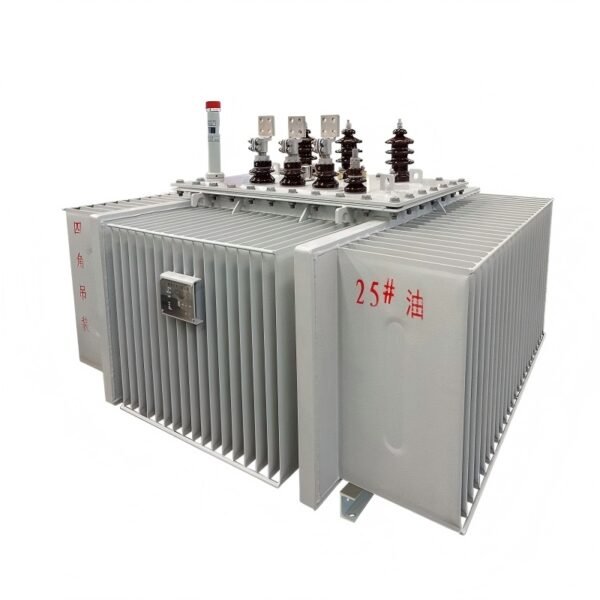
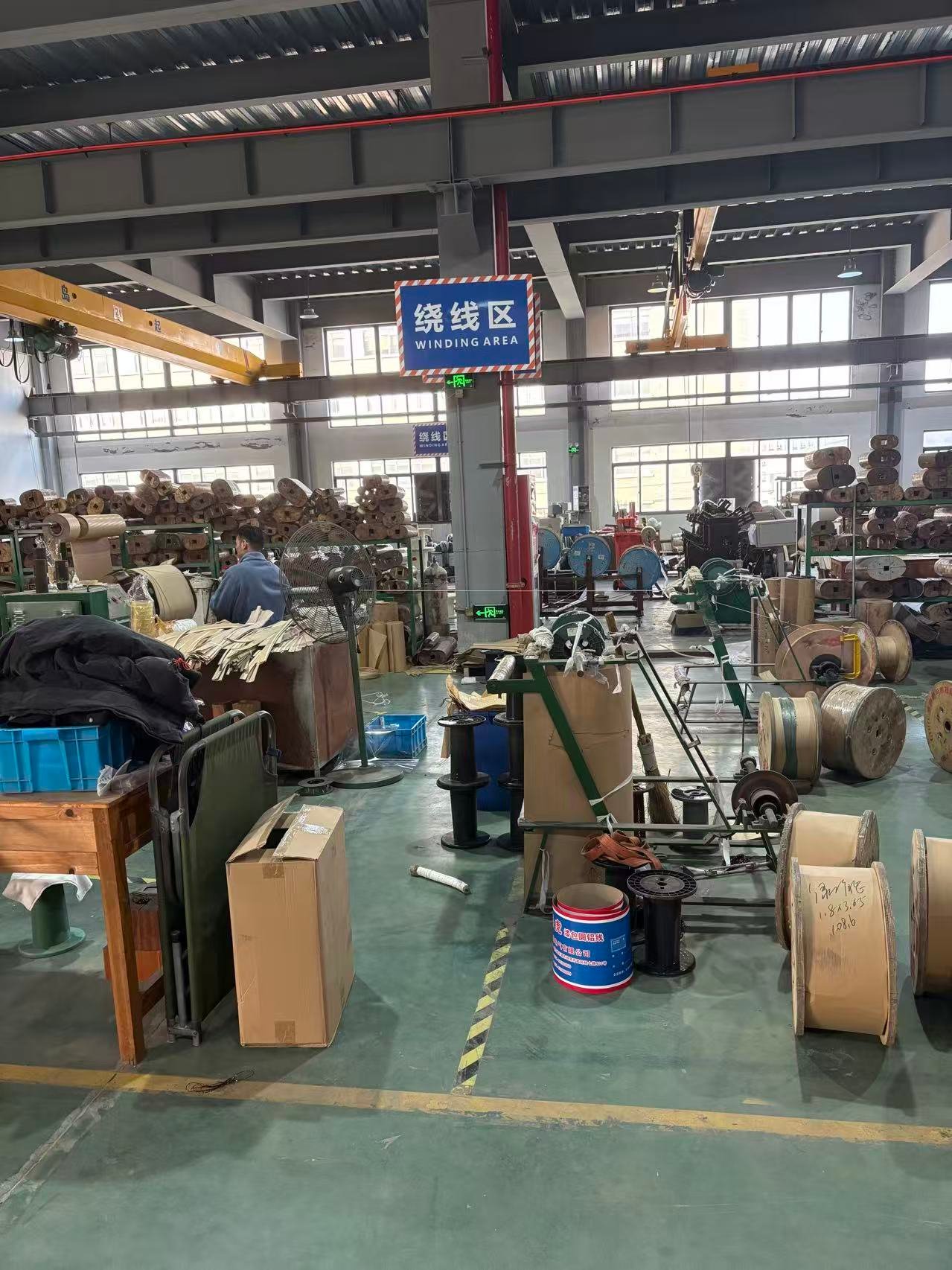
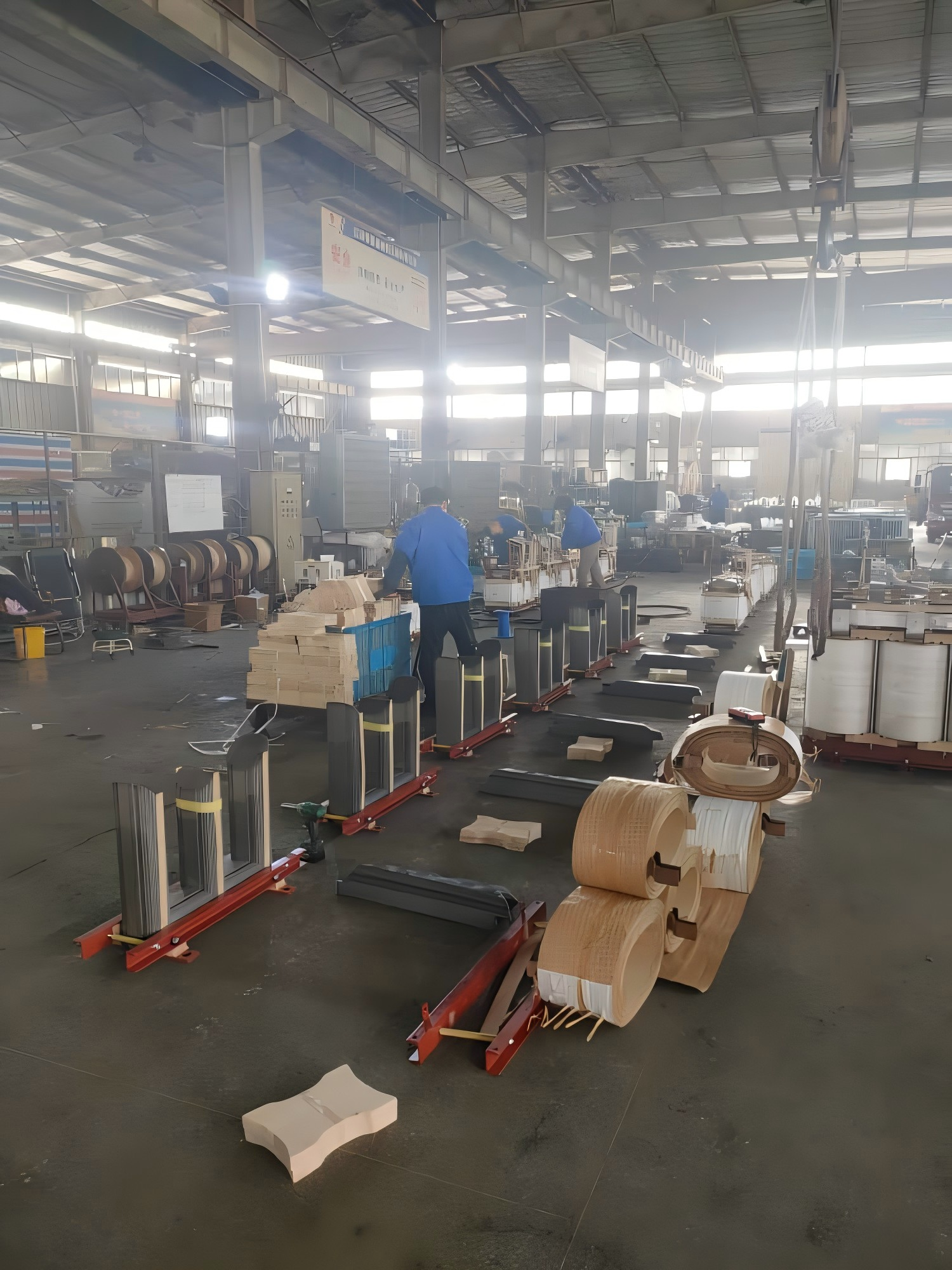
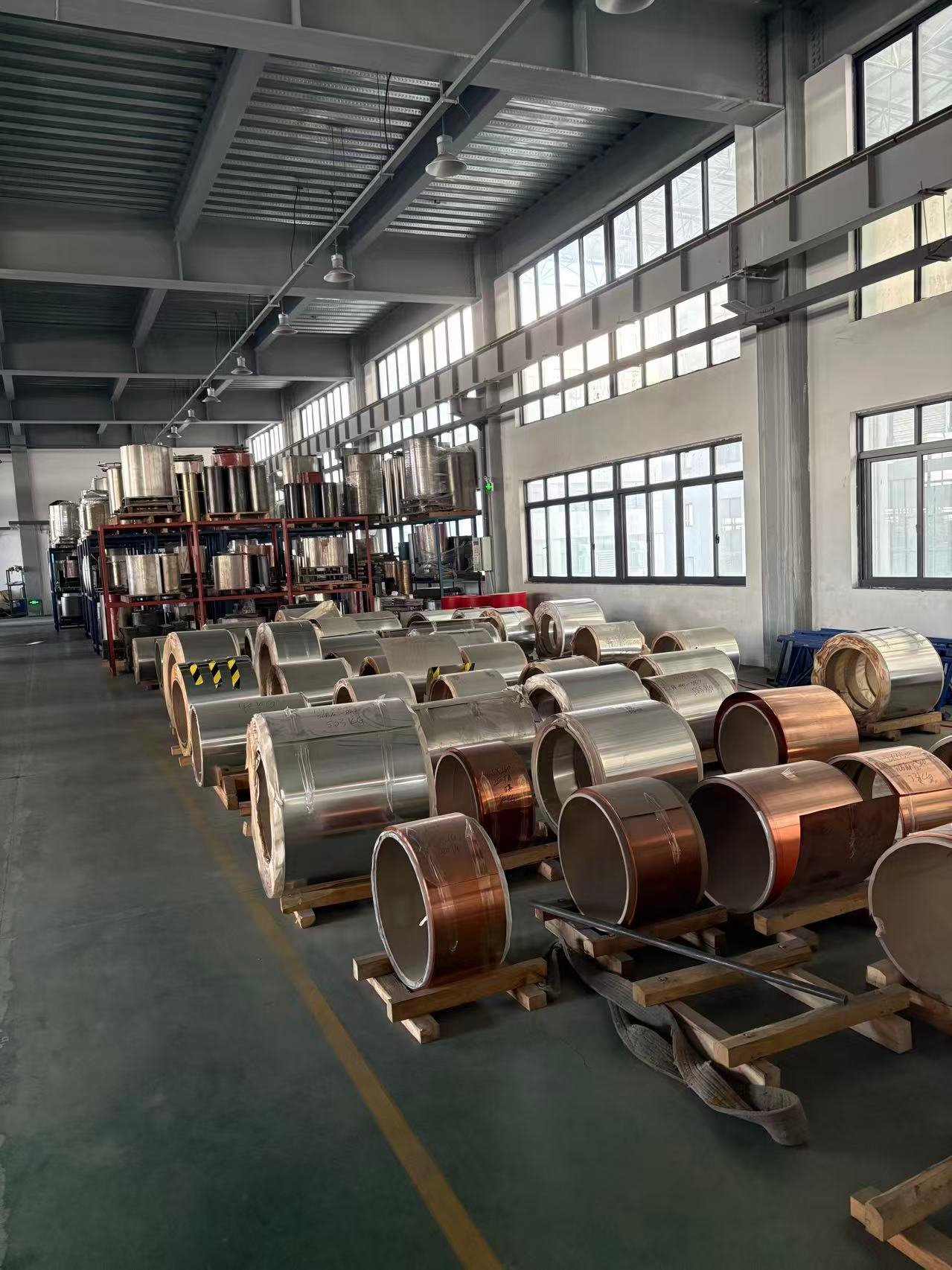
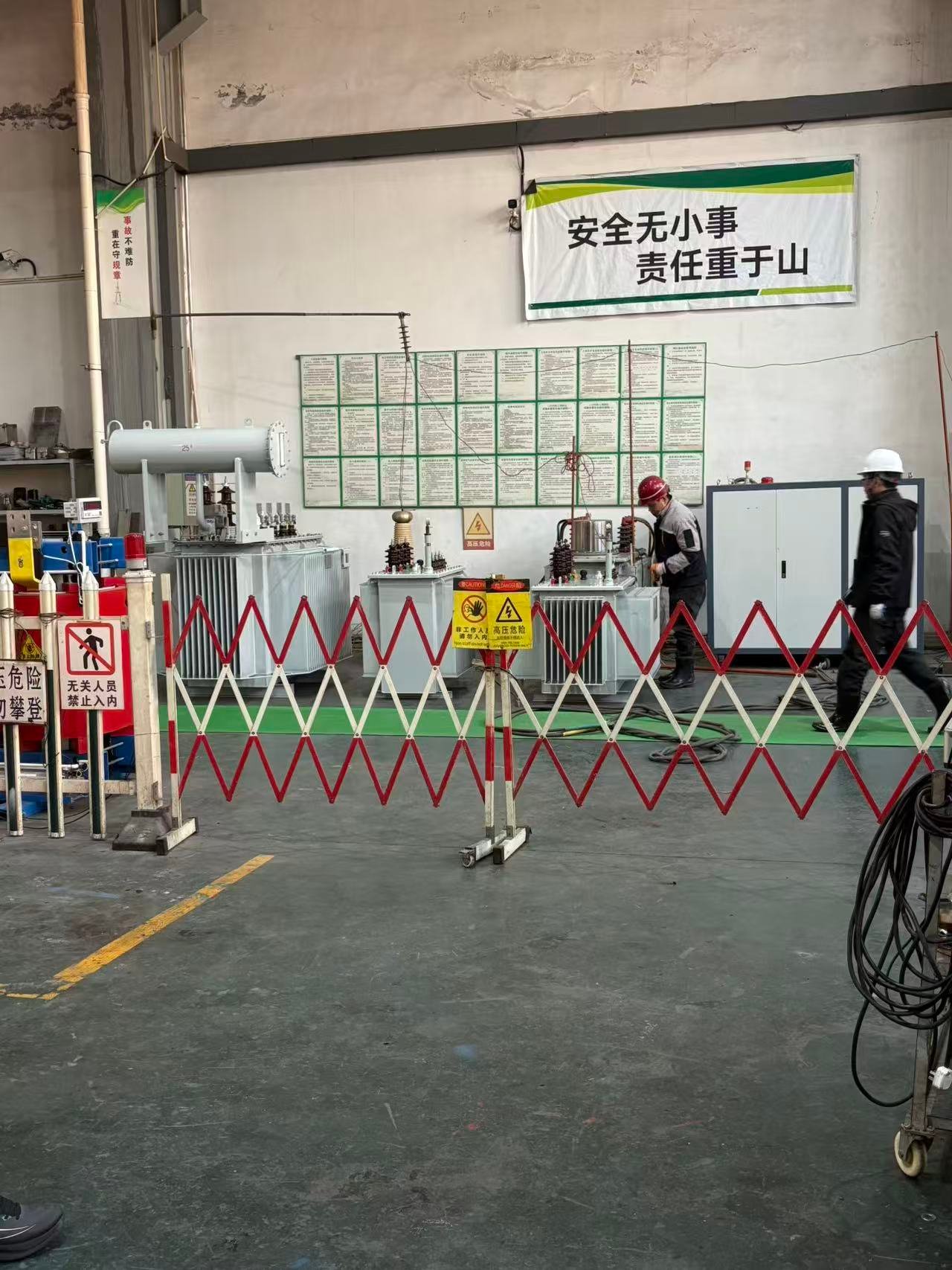
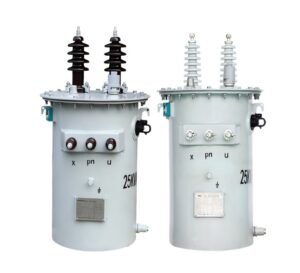
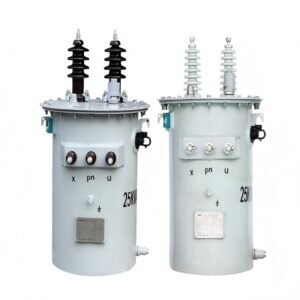
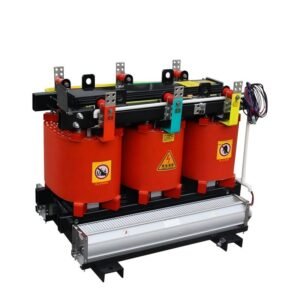
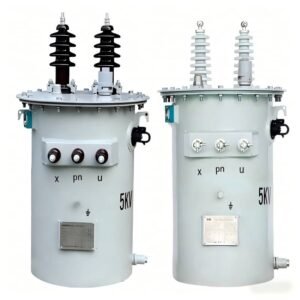
As a leading manufacturer of power distribution transformer, QIANLAI proudly present our 2500kVA oil immersed transformer—a robust, energy-saving solution engineered for demanding industrial, commercial, and utility power distribution systems. This oil immersed transformer complies with global standards like IEC 60076, IEEE C57, and ANSI, delivering unrivaled reliability, low operational losses, and long service life, making it the preferred choice for grid upgrades, manufacturing plants, and critical infrastructure projects worldwide.

Main technical Parameter
| Rated capacity | 2500 KVA |
| Primary voltage | 33KV/35KV/13.2KV/11KV/10KV/6.3KV/6KV(customizable) |
| Tap changer | ±2*2.5/±5 |
| Secondary voltage | 400V/415V/433V/380V(customizable) |
| Vector group | Dyn11/Yzn11/Yyn0 |
| Number of phase | Three phase |
| frequency | 50hz |
| Temperature rise | 65K |
| Short circuit impedance | 4.0% |
| No load loss | Different series(S10,S11,S13,S14),got different loss data |
| Load loss 75ºC | Different series(S10,S11,S13,S14),got different loss data |
| Cooling type | ONAN |
| Oil type | 25#/45# |
| standards | IEC 60076-1 |

Differences Between Copper Windings and Aluminum Windings for 2500kVA Transformer
For 2500kVA transformer, the core differences between copper windings and aluminum winding lie in conductivity, power loss, cost, size, service life, installation and maintenance, etc. The detailed comparative analysis is as follows:
- Core Performance Differences
| Comparison Dimension | Copper Windings | Aluminum Windings |
| Conductivity | High (The conductivity of copper is about 58×106 S/m) | Low (The conductivity of aluminum is about 37×106 S/m, only 64% of that of copper) |
| Power Loss & Energy Efficiency | Low resistance, low load loss, less heat generation during operation, and higher energy efficiency grade (easy to reach Grade 1 energy efficiency) | High resistance, 30%~40% higher load loss than copper windings, relatively large heat generation, and slightly lower energy efficiency grade |
| Current-Carrying Capacity | Under the same cross-sectional area, the current-carrying capacity is about 30% higher than that of aluminum | To achieve the same current-carrying capacity as copper, the conductor cross-sectional area needs to be increased by about 1.5 times |
| Temperature Rise & Overload Capacity | Low temperature rise, strong short-term overload capacity (can withstand 1.2 times the rated load) | Relatively high temperature rise, weak overload capacity, and long-term overload can easily accelerate insulation aging |
- Structural & Size Differences
Conductor Cross-Sectional Area
Due to the low conductivity of aluminum, the winding cross-sectional area of 2500kVA aluminum-wound transformers needs to be more than 50% larger than that of copper-wound ones, which directly leads to larger winding volume.
Overall Dimensions & Weight
The density of copper is much higher than that of aluminum , so the weight of the copper-wound transformer body is 20%~30% higher than that of the aluminum-wound one.
Because of the large conductor cross-sectional area of aluminum windings, the structural components such as the transformer tank and core frame need to adapt to the larger winding size, and the overall external dimensions are slightly larger than those of copper-wound models.
III. Cost & Economy Differences
Raw Material Cost
The market price of copper is about 3~4 times that of aluminum, so the raw material cost of 2500kVA copper-wound transformers is 20%~30% higher than that of aluminum-wound ones.
Aluminum windings have significant advantages in material cost and are suitable for projects sensitive to initial investment.
Life-Cycle Cost
- Copper windings: High initial investment, but low operating loss. The savings in electricity bills during long-term use (more than 10 years) can offset the initial cost difference, making them suitable for long-term continuous operation scenarios (such as industrial plants and large commercial complexes).
- Aluminum windings: Low initial investment, but high operating loss, resulting in higher electricity costs during long-term use, suitable for scenarios with low load rate and intermittent operation (such as temporary construction power supply and remote rural power supply).
- Service Life & Reliability Differences
Corrosion Resistance
- Copper has good chemical stability, is resistant to moisture and oxidation, and can have a service life of more than 30 years in transformer oil or dry environments.
- Aluminum is prone to oxidation. The aluminum oxide film formed on the surface is insulating but will increase contact resistance. If the winding joints are not properly treated, problems such as heating and oxidation ablation are likely to occur, affecting the service life (about 20~25 years under normal maintenance).
Mechanical Strength
Copper has higher tensile strength and hardness than aluminum, so the winding has stronger short-circuit impact resistance and can better withstand the electromagnetic force impact when the power grid is short-circuited; aluminum windings are relatively soft, and winding deformation is prone to occur in case of short circuit.