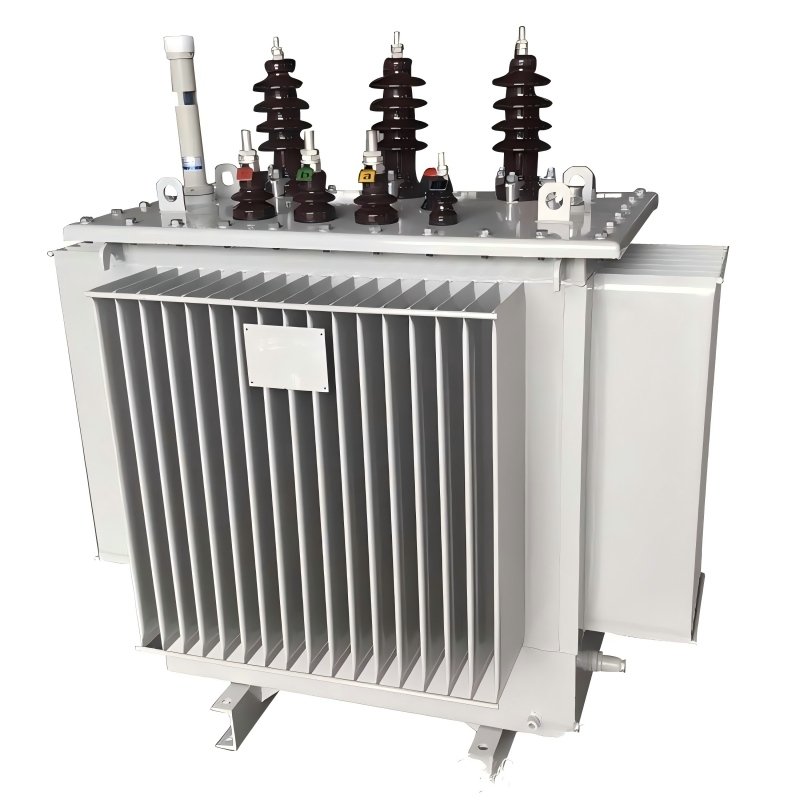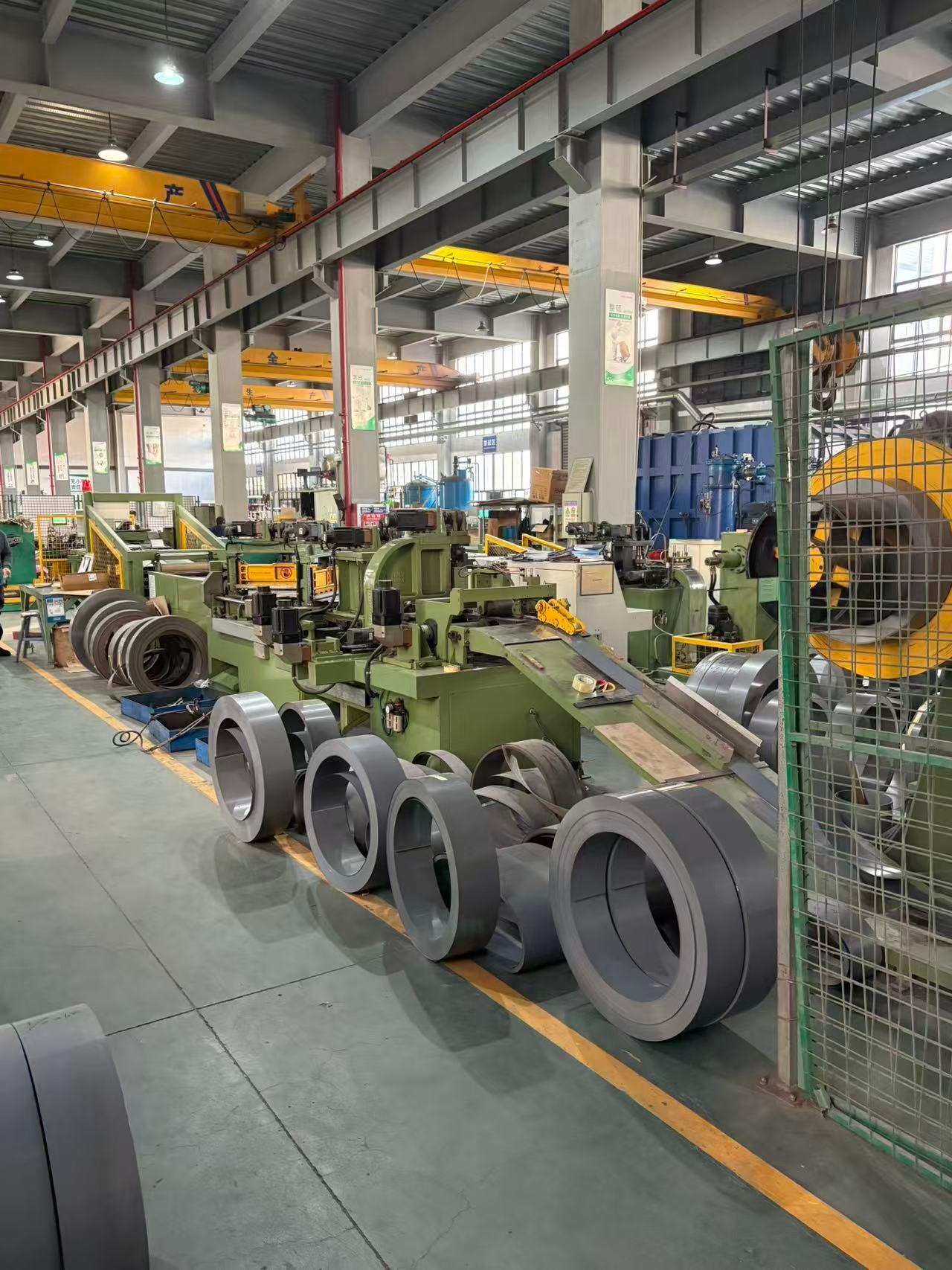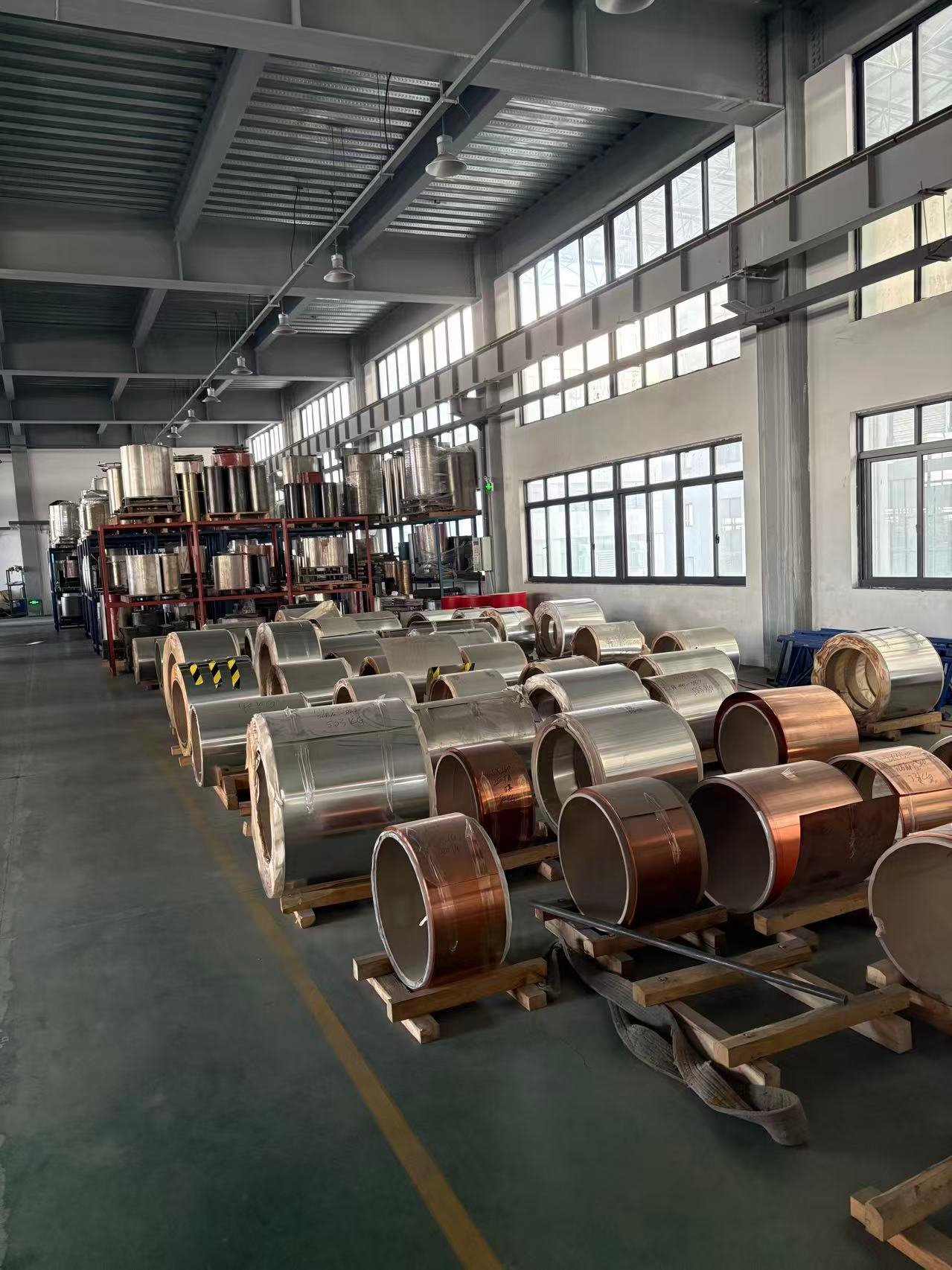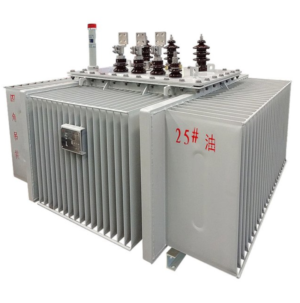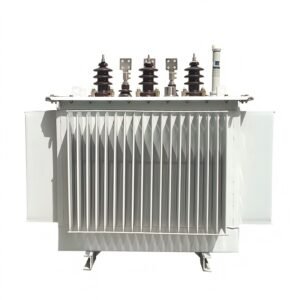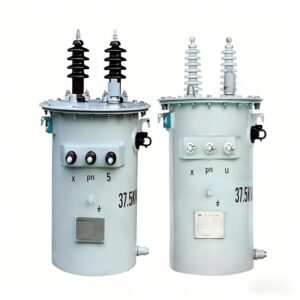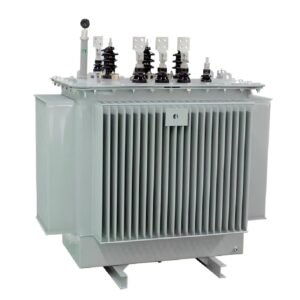
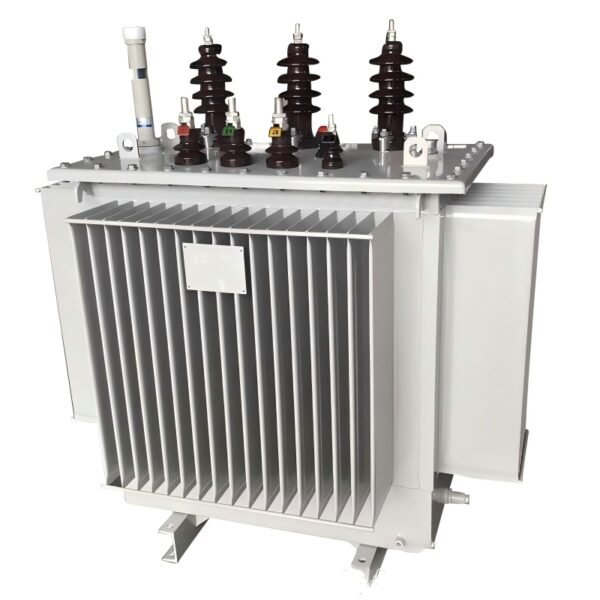
2000 kva Three phase Oil immersed transformer

Product overview

As a leading manufacturer of power distribution transformer, QIANLAI proudly present our 2000kVA oil immersed transformer—a robust, energy-saving solution engineered for demanding industrial, commercial, and utility power distribution systems. This oil immersed transformer complies with global standards like IEC 60076, IEEE C57, , delivering unrivaled reliability, low operational losses, and long service life, making it the preferred choice for grid upgrades, manufacturing plants, and critical infrastructure projects worldwide.

Main technical Parameter

Rated capacity2000 KVA
Primary voltage33KV/35KV/13.2KV/11KV/10KV/6.3KV/6KV(customizable)
Tap changer±2*2.5/±5
Secondary voltage400V/415V/433V/380V(customizable)
Vector groupDyn11/Yzn11/Yyn0
Number of phaseThree phase
frequency50hz
Temperature rise65K
Short circuit impedance4.0%
No load lossDifferent series(S10,S11,S13,S14),got different loss data
Load loss 75ºCDifferent series(S10,S11,S13,S14),got different loss data
Cooling typeONAN
Oil type25#/45#
standardsIEC 60076-1

Partial Discharge of 2000KVA transformer

Partial discharge (PD) in oil-immersed transformers refers to non-penetrating discharge initiated by electric field concentration in local areas of insulation. It serves as an early warning signal of insulation degradation. If left unchecked over the long term, it will lead to insulation breakdown and equipment failure, necessitating full-cycle management covering mechanism analysis, detection, and prevention & control. Below are the core points:

  1. Core Definition & Mechanism

Partial discharge is a phenomenon where localized weak points in an insulation structure discharge first under voltage application without causing penetrating breakdown. It commonly occurs in areas with concentrated electric fields, such as air gaps, oil gaps, electrode sharp corners, and oil-paper interfaces. Its core mechanisms are as follows:

  1. Electric Field Distortion Bubbles, impurities, and structural defects cause the local electric field strength to far exceed the average level. The dielectric strength of gas is only 1/10 to 1/100 that of oil/paper, making it prone to discharge first.
  2. Dielectric Property Difference Air gaps have low dielectric constants. Under alternating current (AC) voltage, they bear a higher proportion of the electric field intensity, which significantly lowers the inception discharge voltage.
  3. Vicious Cycle Active substances (e.g., ozone, nitrogen oxides) and local overheating generated by discharge accelerate insulation aging, producing more bubbles and defects, which further intensify partial discharge.
  4. Typical Types & Locations
Discharge TypeTypical LocationsCausesHazards
Bubble DischargeBubbles in oil, cavities in solid insulation, residual bubbles from improper vacuum oil fillingElectric field concentration due to dielectric constant differencesSustained erosion of insulation, reduction of breakdown voltage
Surface DischargeOil-paper interfaces, insulation board surfaces, oil wedges at winding endsCharge accumulation and electric field distortion at interfacesProne to developing into flashover, damaging the integrity of insulation
Floating Potential DischargeLoose metal components, tap changer forks, poor grounding of magnetic shieldsSuspended potential of components creates potential difference with surrounding areasGenerates pulse current, damages insulation, and interferes with monitoring
Electrode Tip DischargeBurrs on winding conductors, sharp corners of lead joints, defects in grading ringsConcentrated electric field at tipsTriggers corona discharge, accelerates oil cracking and insulation aging
Impurity Discharge in OilMoisture, fibers, and metal particles in oilPolarization of impurities leads to multiplication of local electric field strengthForms conductive channels, inducing insulation breakdown


III. Main Hazards

  1. Insulation DegradationActive substances and local overheating from discharge accelerate the aging of oil-paper insulation, reducing its mechanical and electrical strength.
  2. Pre-fault IndicatorSudden changes in PD magnitude often indicate the expansion of internal defects, serving as an early signal of winding deformation and tap changer malfunctions.
  3. Accident RiskLong-term accumulation will result in insulation breakdown, leading to severe accidents such as winding short circuits and tank explosions.

IV. Key Prevention & Control Measures

1.Manufacturing Process Control

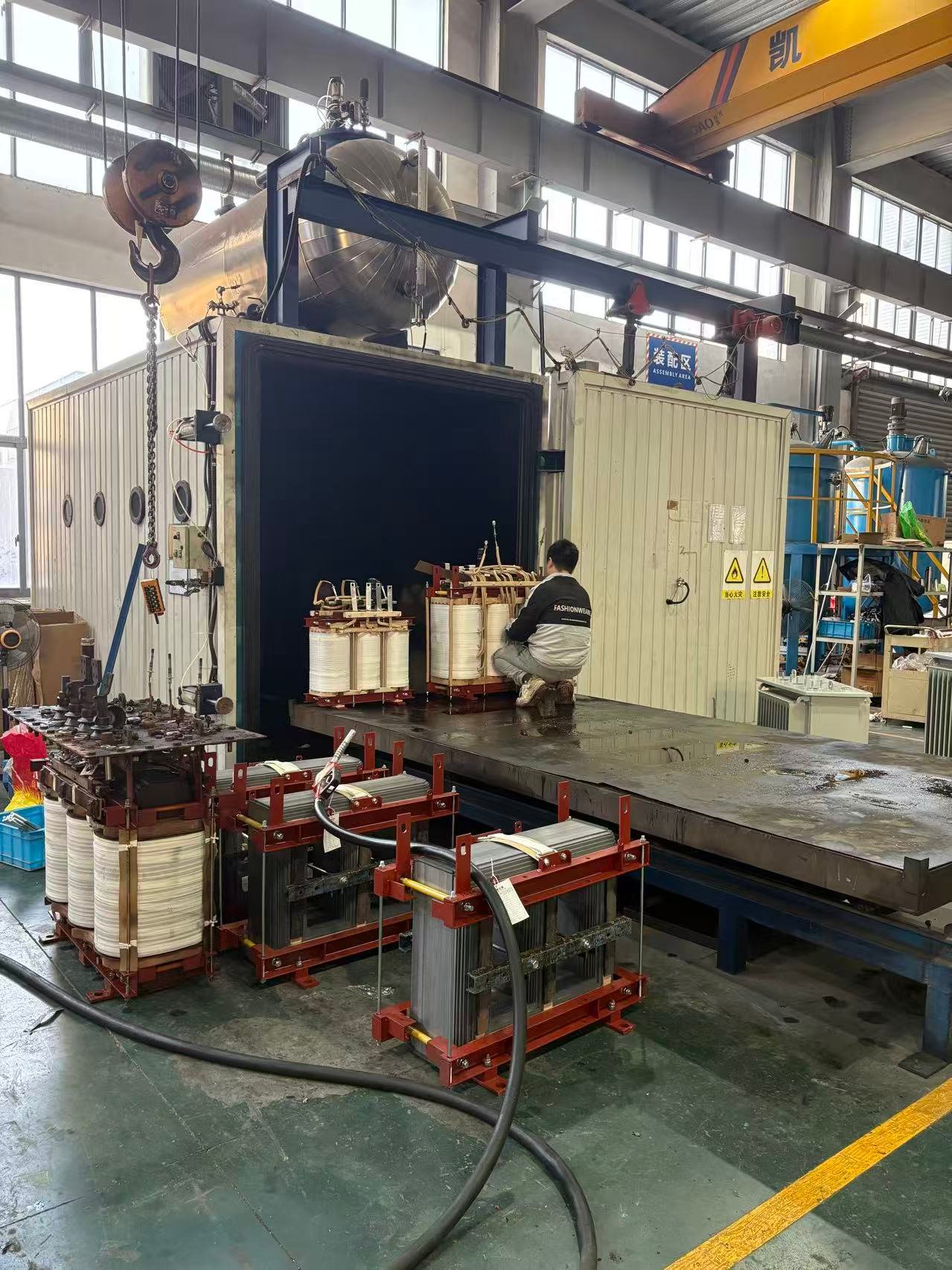
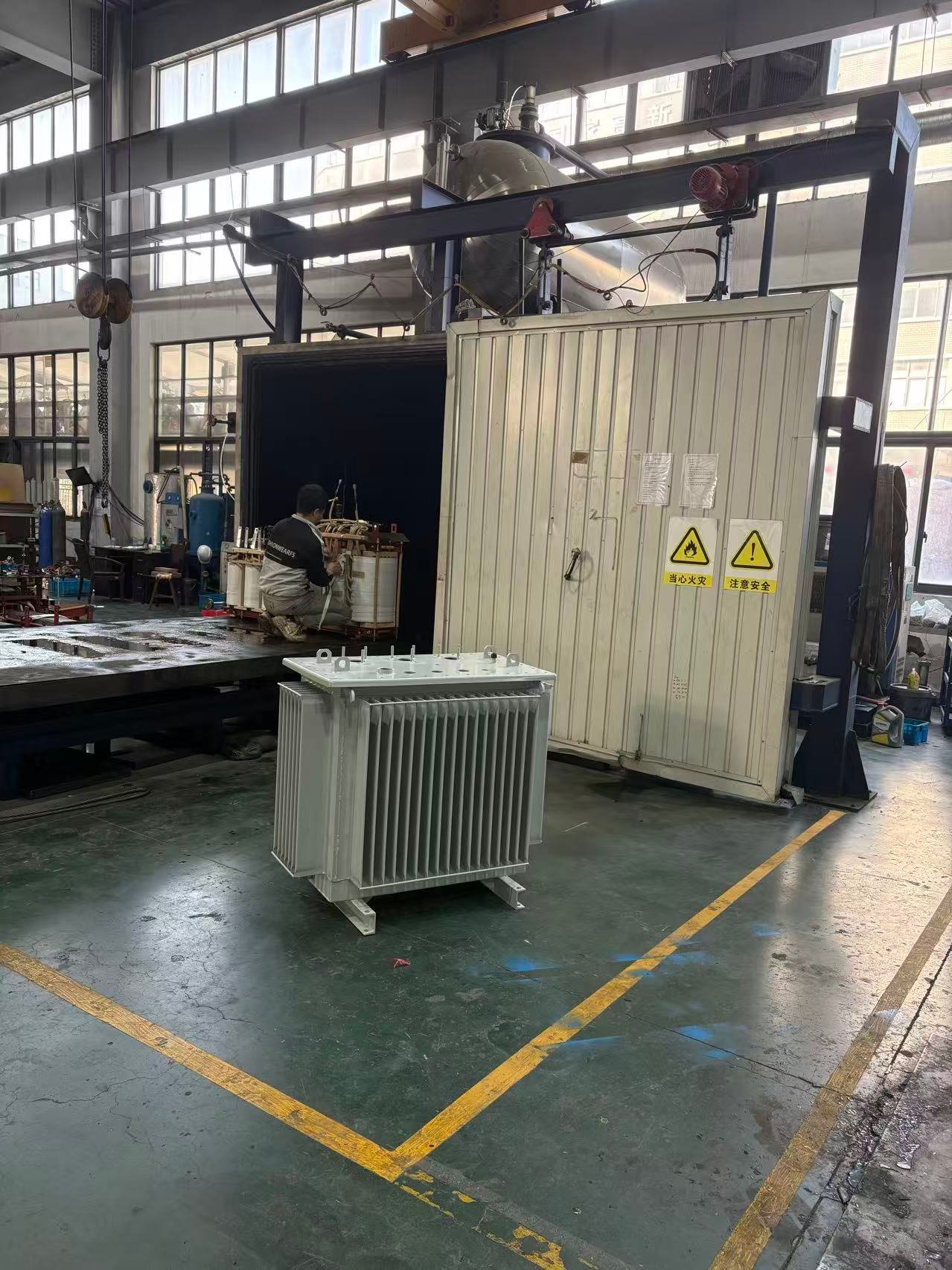
♦Vacuum drying of insulation parts and vacuum impregnation of windings to avoid residual bubbles.

♦Deburring of conductors and optimized design of grading rings to reduce electric field concentration at tips.

♦Strict control of moisture content (≤10ppm) and particle count in oil, adopting multi-stage filtration and vacuum oil filling.

2.Operation & Maintenance Management

♦Regular DGA testing, monitoring the growth trends of H₂ and C₂H₂, and establishing a baseline database.

♦Installation of HFCT/ultrasonic online monitoring systems to track PD magnitude and discharge patterns in real time.

♦Prevention of overvoltage impacts by configuring surge arresters and overvoltage protection devices.

3.Fault Handling Procedures

♦When PD magnitude exceeds the standard, comprehensively locate defects by combining DGA, ultrasonic, and pulse current methods.

♦For bubble/moisture issues: Implement hot oil circulation, vacuum degassing, and insulation oil replacement.

♦For structural defects: Repair loose components, fix winding deformation, and replace aged insulation parts.

♦Put the transformer into operation only after passing re-testing, and establish a fault file to optimize the maintenance cycle.


Product Enquiry