When shall you use 10 kva 3 phase oil immersed distribution transformer?
Many people get stuck on capacity selection when picking three phase transformer — choosing an undersized one leads to frequent equipment tripping, while an oversized one wastes money on unnecessary electricity bills. What’s more, there are plenty of common pitfalls to fall into. This article combines practical cases to break down the key points of three phase transformer capacity selection, common mistakes, and cost considerations, helping you make the right choice without waste.
- First, Avoid These 3 Common Pitfalls — Many People Fall for Them on the First Try
The most frequent mistake is only calculating the rated power of equipment while ignoring the starting current. Take a hardware factory as an example: it had 3 units of 5kW motors with a total rated power of 15kW, so a 15kVA three-phase transformer was selected. However, the starting current of the motors surged to three times the rated value, causing the transformer to trip immediately due to overload. In the end, the factory had to replace it with a 25kVA transformer, resulting in unnecessary extra costs. It is crucial to note that equipment such as motors and compressors draw large starting currents, which must be taken into account when calculating the capacity of a three-phase transformer.
Another pitfall is overlooking the power factor and assuming that sufficient capacity guarantees trouble-free operation. A residential property management company chose a 100kVA three-phase transformer, which was rated to support an 80kW load. Yet, voltage instability occurred frequently during actual operation. Inspection revealed that the power factor was only 0.7, meaning the transformer’s actual output capacity was less than 70kW. When selecting a three-phase transformer, the calculation should follow the formula: actual load ÷ power factor. For instance, an 80kW load with a power factor of 0.8 requires a 100kVA three-phase transformer to meet the demand.
Additionally, failing to consider future capacity expansion leads to the need for premature replacement. A newly built industrial park initially hosted only 3 enterprises and installed a 50kVA three-phase transformer. Half a year later, 2 more enterprises moved in, pushing the load beyond the transformer’s capacity. The park had to remove the existing unit and install a 100kVA one, with the dismantling and installation costs alone exceeding 20,000 yuan. When determining transformer capacity, it is advisable to reserve expansion space for the next 1–2 years to avoid costly, short-term replacements.
- Calculate Costs with Real Cases — Make the Right Choice to Save a Fortune
We once helped a garment factory select a three-phase transformer. The factory was equipped with 8 sets of 2kW sewing machines and 2 sets of 3kW dryers, with a total load of 22kW. Based on conventional calculations, taking starting current and a power factor of 0.85 into account, a 30kVA three-phase transformer was perfectly suited.
Opting for a 25kVA unit would have saved over 2,000 yuan upfront, but it would have been prone to tripping during equipment startup. On the other hand, a 40kVA transformer would have led to an extra 300-plus yuan in monthly electricity bills — the annual excess cost would have exceeded the initial savings. In the end, the 30kVA transformer was chosen. It ran smoothly for two years with no issues at all, and the electricity costs remained reasonable.
Another example involves an agricultural cooperative with a total load of 12kW from irrigation pumps and lighting systems, and a power factor of 0.8. Some recommended a 15kVA three-phase transformer, while others suggested a 20kVA one for greater reliability. Calculations showed that the 15kVA unit would have just met the current demand. However, considering the possibility of adding a 5kW cold storage unit in the future, the 20kVA transformer was selected in the end. Although it cost an extra 1,500 yuan initially, it eliminated the hassle of equipment replacement later on, making it a much more cost-effective choice in the long run.
- Simple Steps to Choose the Right Capacity
Step 1: Calculate the total load
Add up the power ratings of all the equipment to be supplied with electricity, including motors, lighting fixtures, and control circuits. Make sure not to leave out a single device.
Step 2: Calculate the actual required capacity
Divide the total load by the power factor (usually ranging from 0.8 to 0.85), then multiply the result by a coefficient of 1.2 to 1.3 (to account for starting current and future expansion). The final figure is the required capacity of the three-phase transformer.
Step 3: Adjust according to the operating environment
In high-temperature and high-altitude areas, transformers have poor heat dissipation performance, so you need to select a slightly larger capacity. For example, a plateau farm upgraded their 20kVA transformer to a 25kVA one to ensure stable operation.
When selecting the capacity of a three-phase transformer, it is neither “the larger the better” nor “the cheaper the better” — the key is “matching the actual demand”. By avoiding common pitfalls, accurately calculating the load and costs, and referring to practical cases, you can choose a transformer that ensures stable equipment operation without wasting electricity bills.
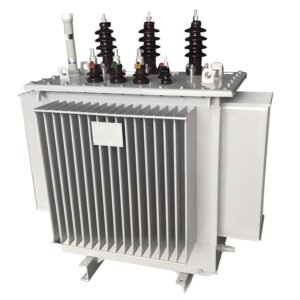
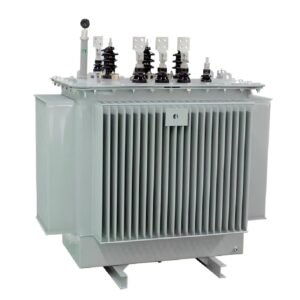
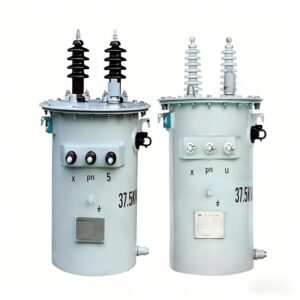
10 kva 3 phase oil immersed distribution transformer Main technical Parameter
| Rated capacity | 10 KVA |
| Primary voltage | 33KV/35KV/13.2KV/11KV/10KV/6.3KV/6KV(customizable) |
| Tap changer | ±2*2.5/±5 |
| Secondary voltage | 400V/415V/433V/380V(customizable) |
| Vector group | Dyn11/Yzn11/Yyn0 |
| Number of phase | Three phase |
| frequency | 50hz |
| Temperature rise | 65K |
| Short circuit impedance | 4.0% |
| No load loss | Different series(S11,S13,S14),got different loss data |
| Load loss 75ºC | Different series(S11,S13,S14),got different loss data |
| Cooling type | ONAN |
| Oil type | 25#/45# |
| standards | IEC 60076-1 |
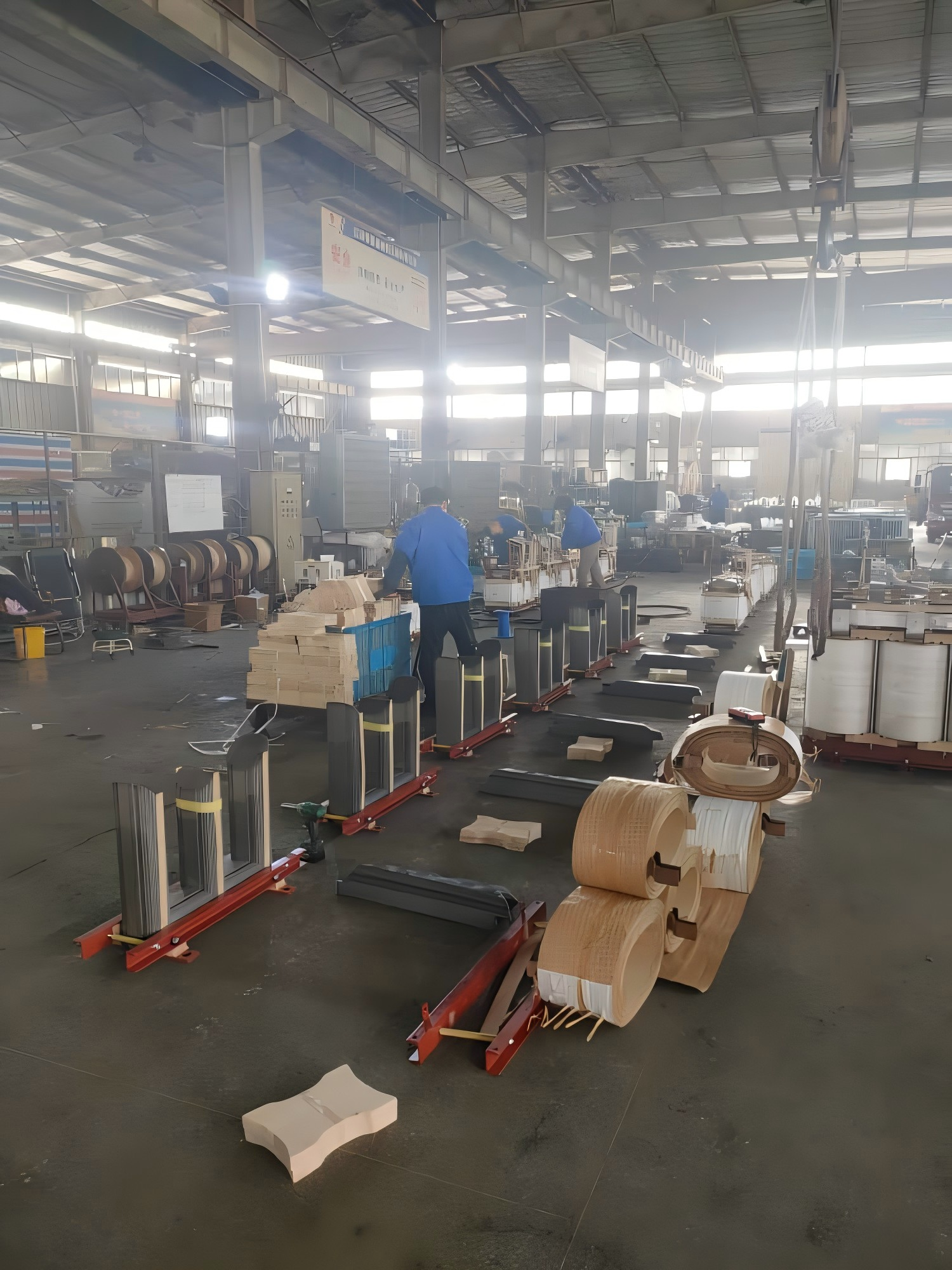
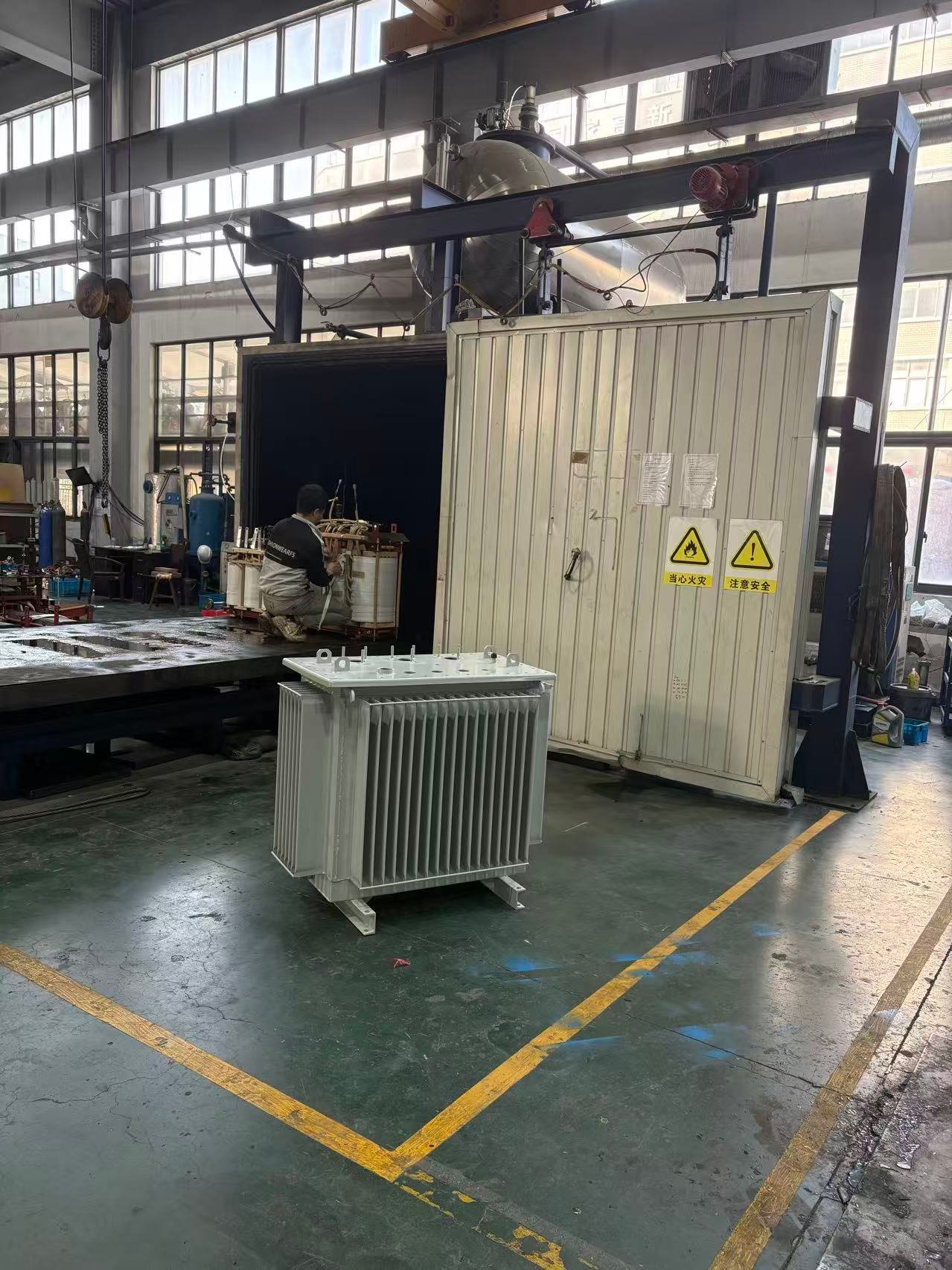
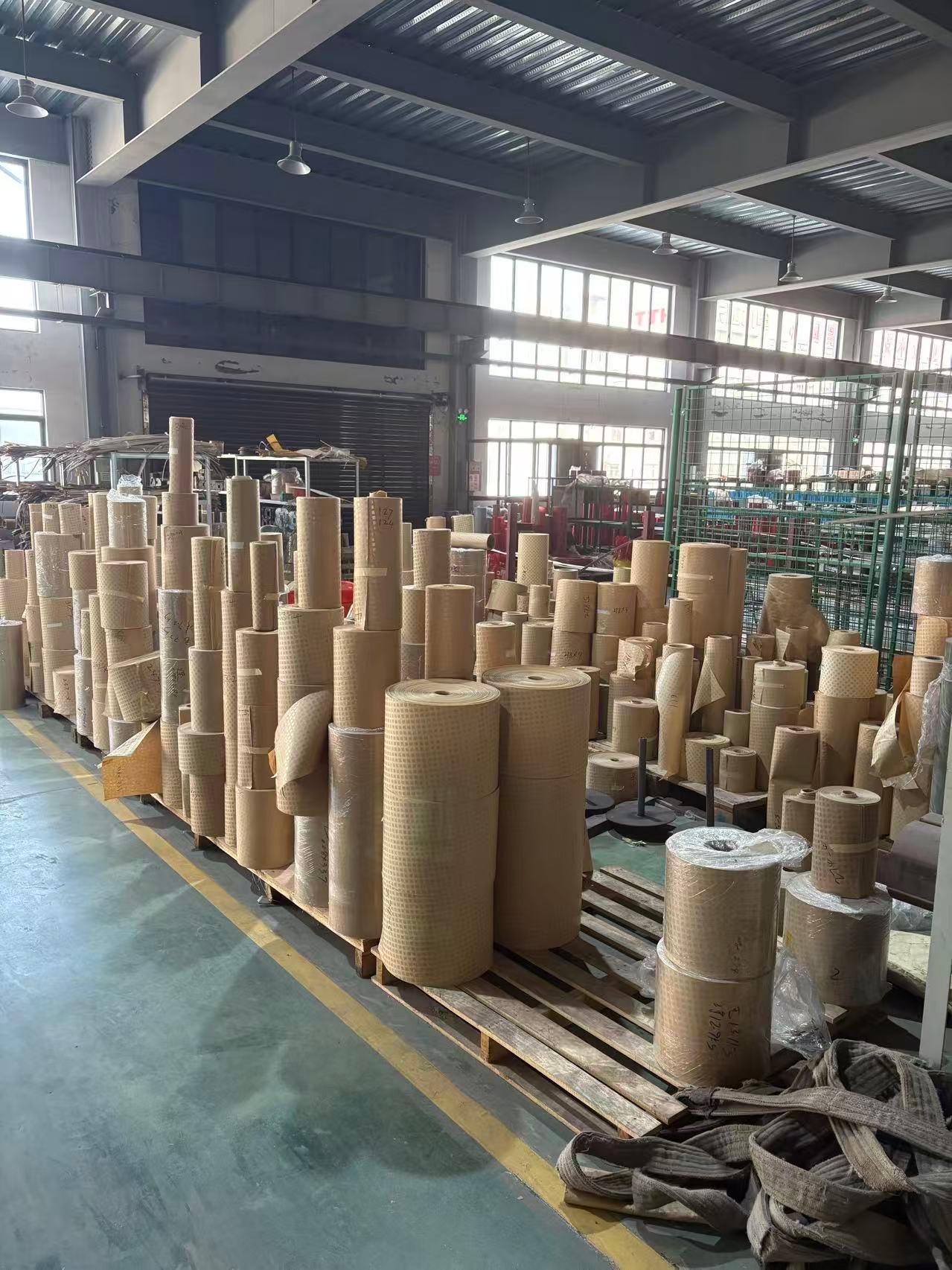
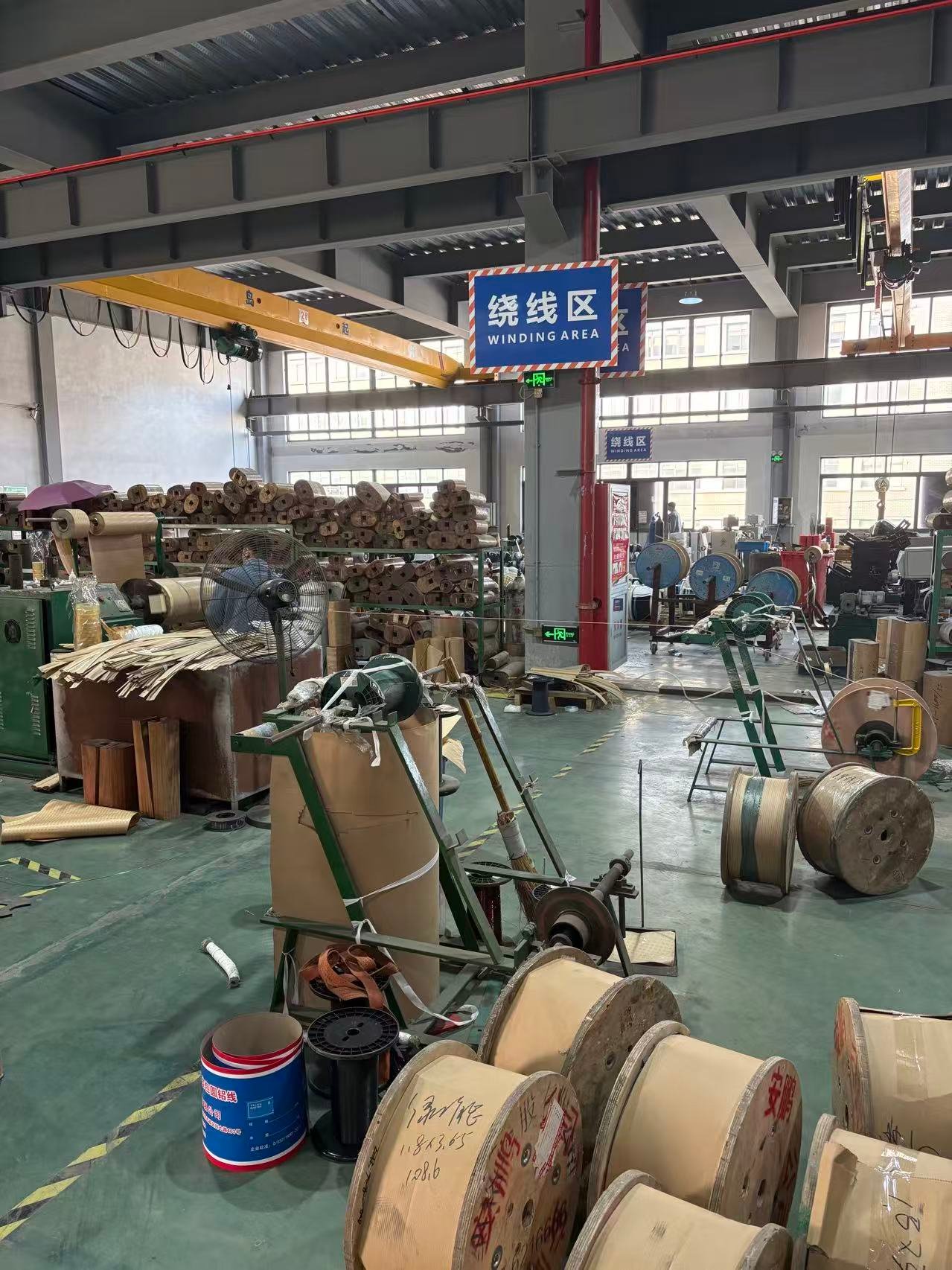
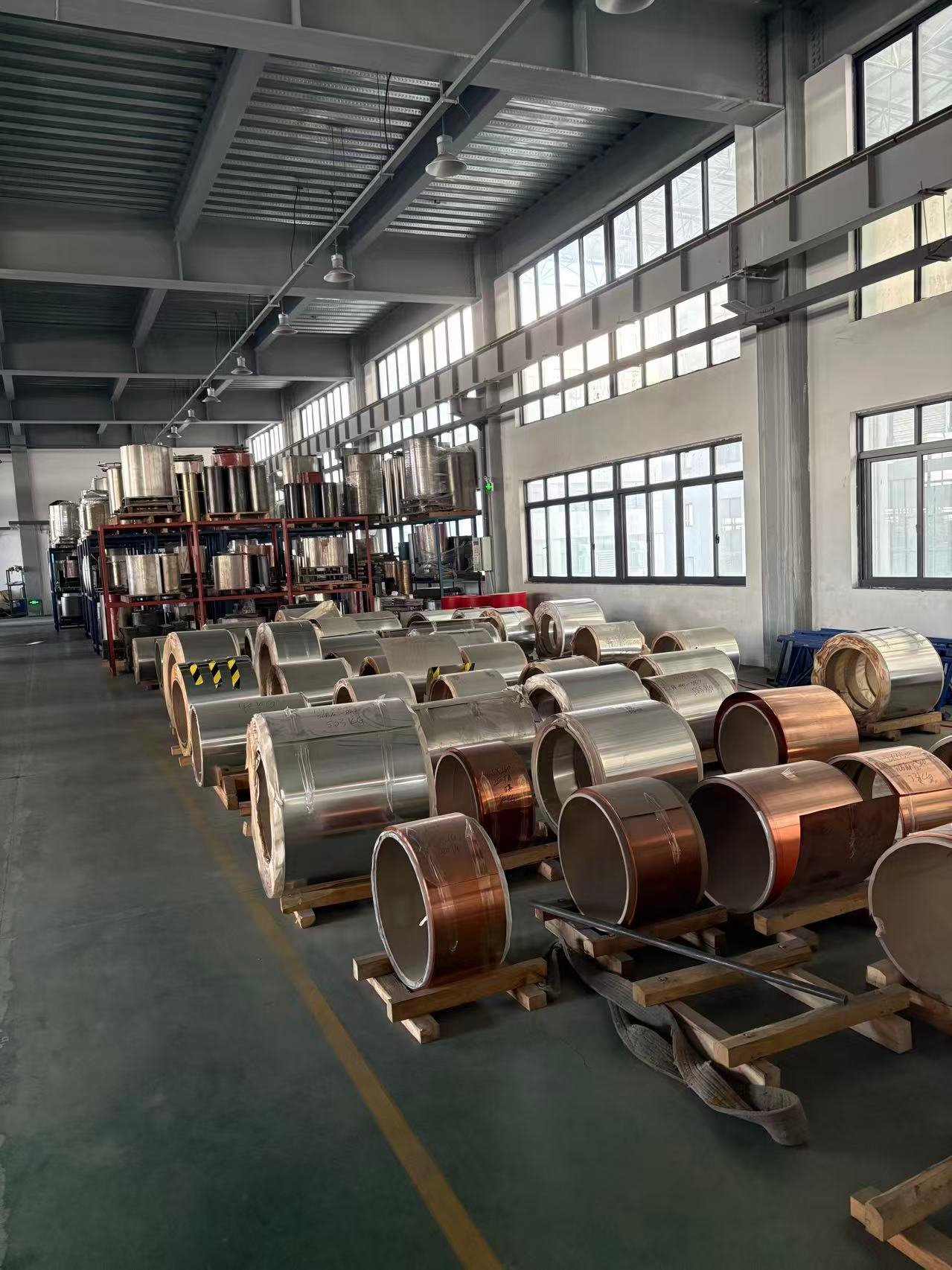
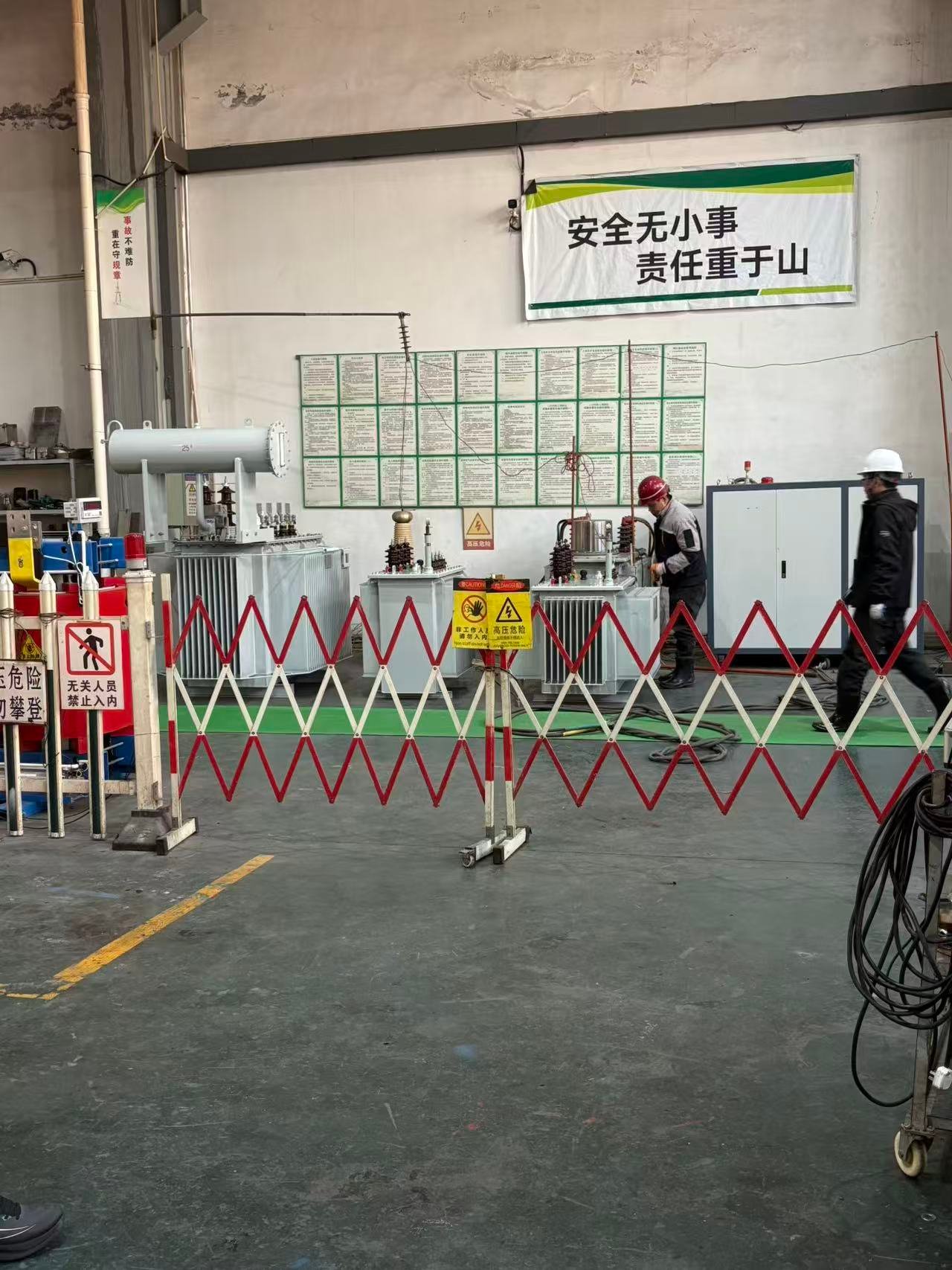
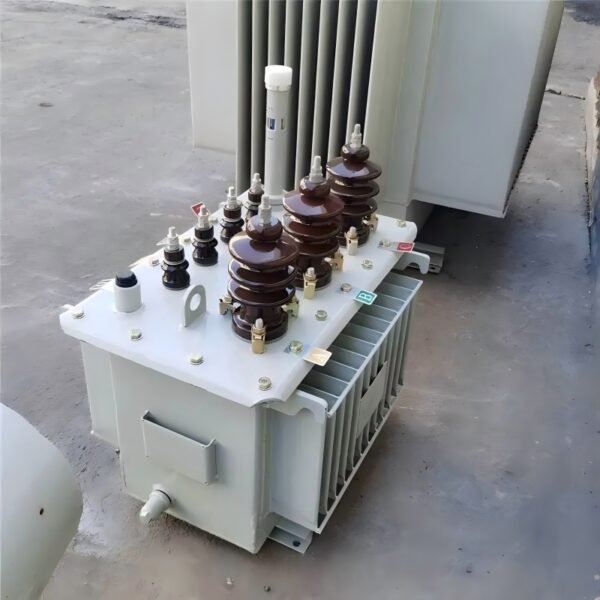
10 kva 3 phase oil immersed distribution transformer Workshop